
Chocolate makers Nestlé have been stopped from calling two favoured bars chocolate – forced into a change of descriptions following recipe overhauls.
Toffee Crisp and Blue Riband products are now officially described as ‘encased’ in a ‘milk chocolate flavour coating’ – having previously been ‘covered in milk chocolate’.
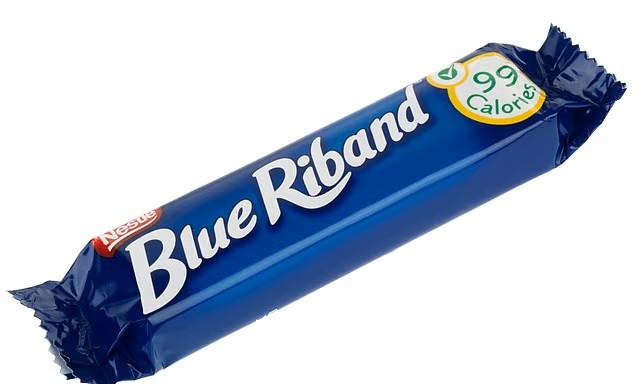
This action comes after cocoa, the primary ingredient in chocolate, was reduced in many other confections and replaced with more vegetable oil.
Club and Penguin bars are now being labelled ‘chocolate flavoured’ – a watered-down description, with palm oil and shea oil increasingly filling in.
Price-cutting measures have been blamed, amid the rising cost of living, as well as failed harvests in key supplier nations such as Ghana and the Ivory Coast, reducing supplies and pushing up wholesale prices.
Other mainstream snacks affected include white chocolate digestives and mini rolls, as shown in a Daily Mail graphic illustrating the variations between various goodies.

British regulations deem that any product described as milk chocolate must have at least 20 per cent cocoa solids and 20 per cent milk solids -though these are less stringent than European Union equivalents.
With more of a less expensive vegetable fat used in place of cocoa, Toffee Crisp and Blue Riband bars have now dropped below those home-based levels.
Nestlé said the new ‘reformulations’ to Toffee Crisp and Blue Riband bars were due to ‘higher input costs’, though it insisted they were ‘carefully developed and sensory tested’ and no other products would be similarly affected.
Both items are now being promoted as having ‘chocolate flavoured coating’ rather than the previous description, ‘milk chocolate’, the Grocer reported.
A Nestlé spokesman said: ‘We’d like to assure shoppers that these changes have been carefully developed and sensory tested with taste and quality remaining a top priority.
‘Like every manufacturer, we’ve seen significant increases in the cost of cocoa over the past years, making it much more expensive to manufacture our products.’
They added that the firm’s aims were ‘to be more efficient and absorb increasing costs where possible’ – but it was ‘sometimes necessary to adjust the recipes of some of our products’.
The firm’s online description of Toffee Crisp now calls it a ‘bar of delicious soft caramel and crispy cereal pieces, all encased in a smooth milk chocolate flavour coating’.
Nestlé’s site also encourages potential buyers: ‘Delight your senses with our Blue Riband biscuit bar, consisting of four layers of crisp wafer and creamy praline covered in smooth milk chocolate flavour coating.’
In recent analysis of authentic chocolate content, Mars-owned Galaxy Minstrels top the charts with 75 per cent, according to officially listed ingredient rundowns, followed by the same firm’s Maltesers at 73 per cent.
Nestlé’s Smarties place next on 65 per cent, ahead of Club orange bars, which have 49 per cent of chocolate content, Tesco listings show.
Yet there are subtle descriptions involved, with the top three classified as ‘milk chocolate’ – while Clubs are labelled as having ‘chocolate flavoured coating’.
Others shown, which opt for similar labels, include Penguin bars at 29 per cent, which have a ‘chocolate flavoured coating’.
Others listed include McVitie’s White Digestives (35 per cent) and with ‘white chocolate flavour coating’, while Wagon Wheels (24 per cent) are believed to have been ‘chocolate flavoured coating’ for some time.
Both Club and Penguin bars are made by McVitie’s, whose parent firm, Pladis, confirmed they now contain more palm oil and shea oil than cocoa solids in coatings.
Other items now described by the same producer as ‘chocolate flavoured’ include Mini BN and BN Mini Rolls.

And the changing circumstances have also forced an overhaul of the long-running Club advertising catchphrase, previously ‘If you like a lot of chocolate on your biscuit, join our Club’ but now ‘If you like a lot of biscuit in your break, join our Club’.
They said that they had made some modifications, essentially translated as ‘we have found another way to mug you off and boost our profits.’ However, this is capitalism for you!
Not to mention the shrinkage—all chocolates used to be much larger than they are now.
The tip here is, if the taste changes and you don’t like it, quit buying it. After all, it’s hardly a staple food, and if you allow something to pull the wool over your eyes more than once, it’s not on the company, it’s on you!
 THE MONTHLY MOSQUITO