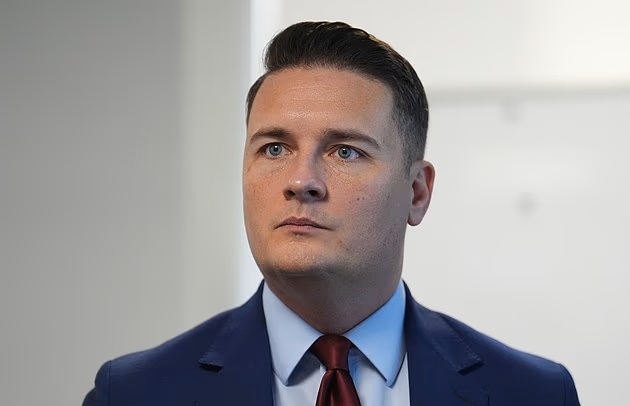
Ministers have been ridiculed for paying hospitals £3 million a month to remove patients from waiting lists, making it appear that the NHS is treating more people than it actually is.
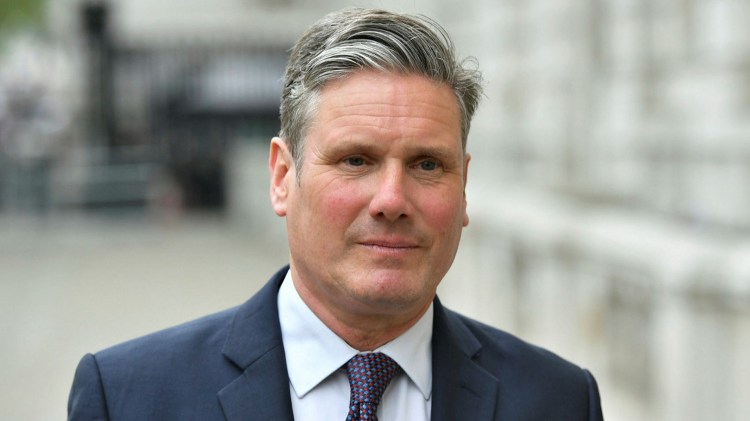
Sir Keir Starmer and Wes Streeting have frequently bragged about Labour’s triumph in cutting the number of patients waiting for treatment since they came to power.
But new analysis of NHS figures suggests hundreds of thousands are being deleted from lists without receiving the treatment they were waiting for in a process known as ‘list cleansing’ or ‘validation’.
It involves paying consultants to trawl their backlog to look for patients who may have died or no longer need or want the procedure they were waiting for.
NHS England paid hospital trusts a total of £18,818,566 for validation exercises between April and September last year.
The organisation said trusts were paid about £33 for each patient removed from the list, indicating more than half a million were deleted through the validation process in six months alone.
A source in the last government told The Times that Rishi Sunak had vetoed a plan by the NHS to conduct a similar exercise when he was prime minister because it involved paying the organisation for ‘doing something it should be doing anyway’.
They added that ‘artificially’ reducing the waiting list gave a misleading impression of the NHS’s performance.
Experts also warned of the risk of patients being taken off lists when they still needed care.
Two weeks ago, the prime minister claimed figures showed that NHS waiting lists were down by ‘more than 86,000’, which was the ‘largest fall in a month for over two years’.
‘These aren’t just numbers – it is thousands of people getting the care they need,’ he said.
However, this reduction was only achieved by removing thousands of patients from the waiting list via the ‘validation’ process.
In November – the month that Starmer was referring to – 346,300 were removed from NHS waiting lists. This was 82,000 more than the month before and almost the entire claimed drop.
However, NHS data also shows hospitals carried out about 10 per cent fewer operations and appointments in November than they did in October, indicating fewer people were being treated.
Sarah Scobie, deputy director of research at the Nuffield Trust think tank, said: ‘The balance between referrals for treatment versus treatment delivered hasn’t changed much over the past few months, so it’s likely that a big proportion of recent waiting list reductions have happened due to reasons other than the NHS boosting activity.
‘One example of this is data cleaning exercises. A lack of transparency about this can sometimes create an illusion that the NHS is delivering more care than it is.’
Sarah Woolnough, chief executive of the King’s Fund think tank, said the NHS ‘reasonably regularly’ opts to ‘cleanse’ the waiting list, which is accounting for a large drop numbers.

But she stressed it is not a sustainable long-term strategy and said the government must do more to cut waits.
Ms Woolnough told Times Radio: ‘If people no longer need treatment, they may choose not to have treatment, their condition may have resolved, or they may have died whilst waiting on a list.
‘Bearing in mind, our waiting list for elective care stands at 7.3 million, and that’s over six million people waiting for care, it’s a legitimate exercise to do.
‘I think the question … is the Health Secretary, are the Government, over-claiming?
‘And this is no long-term strategy.
‘These exercises are kind of one-off that you do reasonably every few months, but they’re no substitute for increased activity levels to actually bear down on the wait list.’
She said list cleansing needs ‘to be handled incredibly carefully’ to ensure legitimate patients are not removed, adding, ‘it’s no substitute for increasing activity levels, really bearing down on the wait list.
‘This is the Government’s flagship policy to fix the NHS,’ she added.
‘It’s promised to re-meet the constitutional standard, this is the big promise, to make sure that the vast majority of people on a wait list are seen within 18 weeks, and it’s nowhere near that.
‘The dial has to shift, whereas at the moment there’s a very incremental decline, partly driven by this validation exercise.’
Wes Streeting is a liar, but should anyone be surprised by that? I suppose not. Starmer warned us not to trust Farage with the NHS; perhaps it should be Starmer who can’t be trusted.
Let’s be honest: everybody with an NI number is aware that Labour’s promises to have reduced waiting queues were wholly untrue, but nothing in this corrupt third-world country shocks me anymore.
Our government are worse than we realise. The system is broken – the NHS is broken, unless you’re a migrant, of course.
NHS hospital waiting lists are going up, they’re not going down – don’t believe the lies, but like everything else, our government want to paint you a pretty picture, but it’s lies, lies and more lies.
 THE MONTHLY MOSQUITO