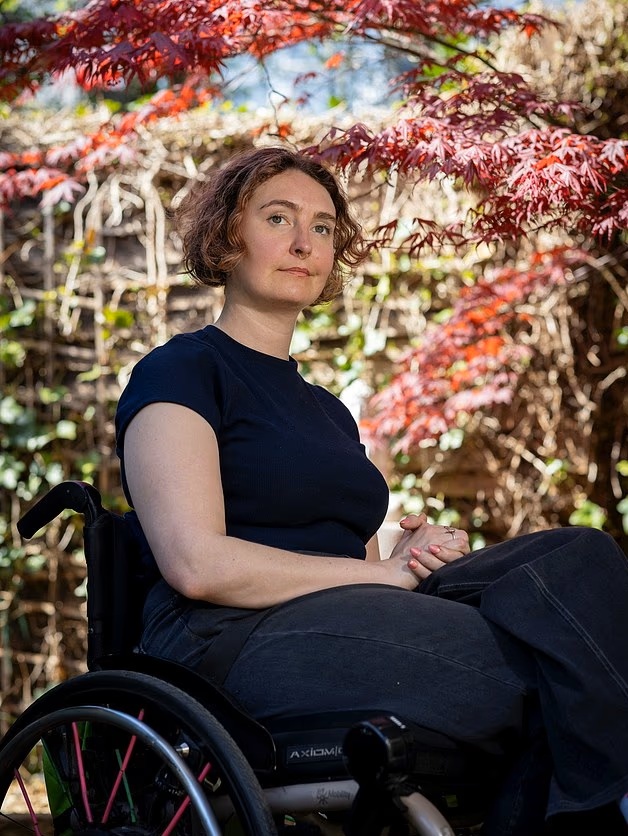
A TV producer, Meg Fozzard, was left permanently disabled after London Ambulance Service paramedics pushed the wrong button on a LifePak defibrillator, causing an eight‑minute delay in delivering a life‑saving shock during her 2019 cardiac arrest.
In April 2019, in Walworth, South London, Meg, then 26, collapsed at home, struggling to breathe and fitting as she went into cardiac arrest.
Her partner called 999 and was instructed to begin CPR.
Despite the emergency call handler’s warning, the paramedics did not think she was in cardiac arrest when they arrived after having difficulty finding the flat.
They failed to activate the defibrillator’s automatic analysis mode, which determines whether a shock is required.
They then pressed the wrong button on the LifePak machine, adding an additional four‑minute delay. In total, eight minutes passed before she received the shock her heart urgently needed, and because her brain was starved of oxygen during this delay, Meg suffered a severe hypoxic brain injury.
Meg now lives with permanent disabilities, including speech difficulties, chronic fatigue, brain fog, reduced dexterity, involuntary limb spasms and reliance on a wheelchair for mobility.
She was unable to work for 14 months and had to rebuild her life with physiotherapy, occupational therapy, and speech therapy.
The London Ambulance Service NHS Trust admitted breaches of duty of care. Meg received an unknown settlement after legal action.
She has since returned to work part‑time as a freelance producer focusing on disability rights, but describes the emotional and physical impact as profound and ongoing.
This incident highlights systemic issues in emergency care, including failures to recognise cardiac arrest, improper use of specialist equipment, delays caused by navigation and communication errors, and the catastrophic consequences of even small mistakes in cardiac emergencies.
How are these people even working as paramedics? Ambulance trusts have been operating with severe shortages for years, and under pressure, organisations sometimes tolerate poor conduct or defer disciplinary action because they can’t afford to lose staff.
They’re allowed to work, not because they think it’s safe, but because the system is broken. The ambulance service culture is being described as toxic because there are deep-rooted, structural problems that harm staff and ultimately patient safety.
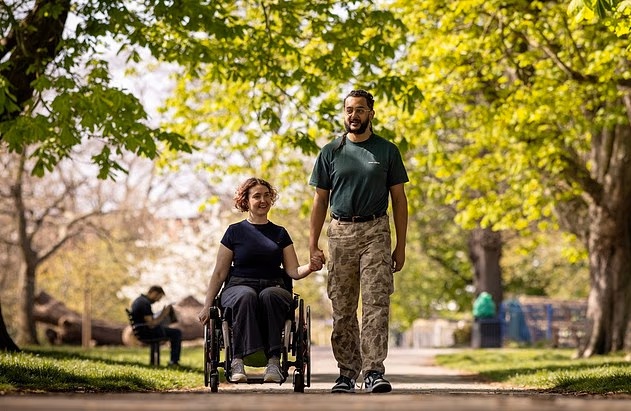
The toxicity isn’t about a few ‘bad apples’; it’s about systemic pressures and leadership failures, and extreme operational pressure creates a breeding ground for toxicity.
Ambulance services work under chronic understaffing, rising demand, unrealistic performance targets, and long waits and high public scrutiny.
However, no one is perfect, especially after doing a 12-hour night shift, and then, mistakes are made.
Of course, we will be told that lessons have been learned, as they are, until the next time it happens.

