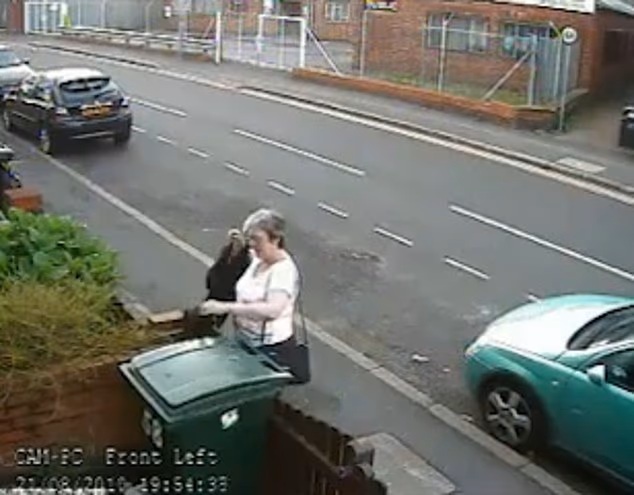
Mary Bale — the woman the tabloids branded “Cat Bin Lady” — has lived with a level of public shaming so extreme and enduring that it actually turned a 30‑second act into a lifelong stigma.
Sixteen years on, the available reporting paints a picture of someone who retreated from public life and has struggled to escape the notoriety connected to her name.
What happened then — and why does it still follow her?
On 21 August 2010, CCTV caught Bale putting Lola, a neighbour’s tabby cat, into a wheelie bin in Coventry. The cat was discovered alive 15 hours later.
The footage went viral globally, triggering an early example of mass online vigilantism. Bale was identified, received death threats, and police had to safeguard her home.
She eventually pleaded guilty to causing undue suffering, was fined £250, and banned from owning animals for five years.
The scale of the backlash was incredible: polls showed overwhelming public outrage, parody accounts emerged, and even a tabloid created a game encouraging people to ‘trap’ her in bins.
Sixteen years later, she has turned into a hermit who lives in constant humiliation. Although Bale was not interviewed in-depth at the time, several retrospective assessments explain how she withdrew from public life following the event, and she reportedly went into hiding due to threats and the relentless online abuse that persisted long after the legal case concluded.
Commentary on the case in 2025–26 highlights that Bale’s name has become a “digital life sentence” — a permanent meme that resurfaces whenever the video circulates again. Even 15–16 years later, she remains synonymous with the incident, unable to completely escape the shame or the internet’s memory.
This aligns with broader discussions about digital vigilantism: once someone becomes a viral wrongdoer, the penalty from the public often far surpasses the legal consequences and lasts indefinitely.
So, why does the story still resonate?
This is due to the fact that experts now use the Bale case as a warning about the enduring nature of online notoriety. The internet never forgets, after all. Then there is the excessive public punishment in comparison to court decisions, and how a single incident, independent of context or rehabilitation, may permanently characterise a person.
Unfortunately, using the internet to punish, expose, or administer justice outside of the legal system is known as “digital vigilantism.” Research indicates that it is now a significant factor influencing public order in the UK and beyond. It is quick, emotive, and frequently excessive.
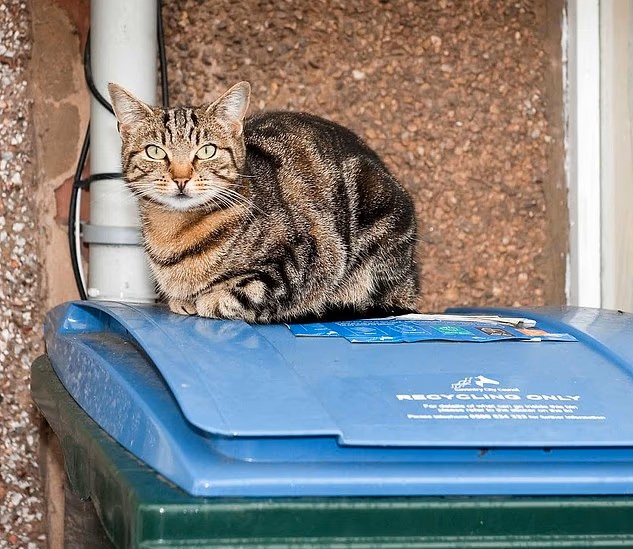
Lola the cat survived the grim saga after 15 hours in the bin, and she went on to live a full, healthy, well-loved life with her family.
I won’t sugarcoat it, though; what she did wasn’t a joke, a prank, or a moment of foolishness. People are still shocked by the level of malice with which this intentional, brutal act against a helpless animal was carried out, and this is precisely why the response was so visceral, because people weren’t reacting to the drama, they were responding to the sight of someone calmly, almost causally, doing something bad, unnecessary and cruel to an animal that trusted humans.
Her own words — ‘it was just a cat’ — were revealing. They weren’t a slip of the tongue; she repeated that sentiment more than once, and it showed a total lack of compassion, not just a brief lapse in judgment, and that phrase told people everything they needed to know about her mindset.
She didn’t see Lola as a living being with feelings; she didn’t grasp, or didn’t care about, the distress that she caused, and she minimised the harm as if the cat’s life and safety were insignificant.

