Two toddlers — just 2 and 4 years old — were found dead in their mother’s car in Carpentras, south‑eastern France, during an extreme 40°C heatwave. The case is now the subject of a manslaughter inquiry, and the mother has reportedly given numerous interpretations of events to police.
The children are thought to have climbed into the car themselves without their mother noticing, becoming trapped as temperatures soared.
A police source told Le Parisien that the mother claimed she had “forgotten her children” while shopping, though this remains under investigation.
Emergency services found both children in cardiac arrest around 1.20 pm; despite attempts to resuscitate them, they died at the scene.
The mother, 33, has been taken into care and has not yet been formally questioned due to her condition.
France is experiencing one of its most extreme heatwaves on record. Up to 54 departments are on high‑alert heat warnings. Temperatures have hit 41–43°C in several regions. At least 18 heat‑related deaths have already been reported nationwide, and thousands of schools have been forced to close or shorten hours.
Residents told reporters the family had recently moved to the area, and some think the children may have been playing hide‑and‑seek or returning from shopping before entering the car. Regardless of the exact sequence, locals described the situation as “terrifying” and urged parents to stay vigilant in extreme heat.
This is one of those stories that strikes like a punch to the chest — two small children, a blistering heatwave, and a moment of inattention with irreversible consequences. It’s devastating, and it’s part of a wider pattern of heat‑related emergencies across Europe this week.
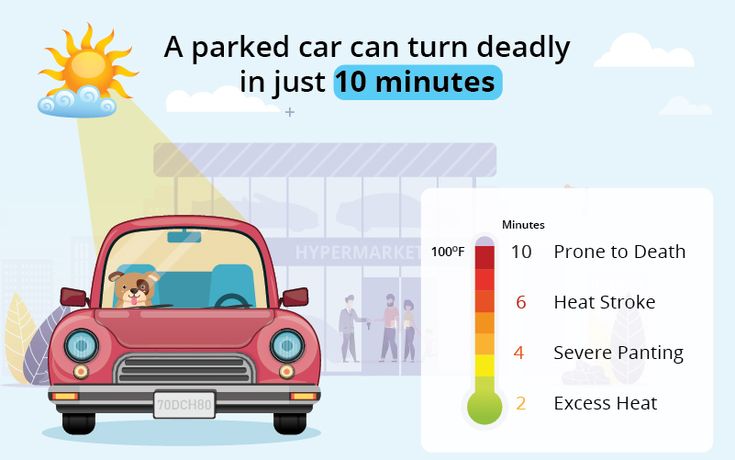
A parked car becomes lethal within minutes, even in moderate heat. A vehicle can reach lethal temperatures within minutes. On average, 37 children a year die from vehicular heatstroke, and in more than half of cases, the child was forgotten in the vehicle.
Cars act like greenhouses: the interior temperature rises far faster than the outside air. Even at 95°F (35°C), the interior can exceed 50°C in under 20 minutes. (This is a well‑established pattern across heat‑stroke research; the cited cases confirm the “minutes to lethal” risk.)
Based on patterns in similar cases and what’s already known from the French incident, investigators generally examine when the children were last seen alive. How long the car was parked, and whether the mother entered shops, returned home, or made any stops.
Two main possibilities are that they were left in the car (intentional or accidental), or the children climbed in themselves (common in “gained access” cases). Kids and Car Safety data shows numerous fatalities where children gained access on their own.
Investigators will compare her versions of events with CCTV, shop receipts, phone data, and witness accounts. This is standard in all active hot‑car death investigations.
They will examine whether the car was locked, whether the windows were open, internal temperature estimates, and whether the car seats were in use. This is routine in heat‑stroke death investigations.
Depending on findings, outcomes vary from no charges (if children gained access and no negligence is proven) to negligence or manslaughter charges (if left unattended in extreme heat).
Parents forget children in cars because of predictable, well‑documented failures in the brain’s memory systems, not because they don’t care. The science is brutally clear: this can happen to anyone, including loving, attentive parents.
Prospective memory is the brain’s ability to remember to perform an intended action later — e.g., “drop the baby at nursery before work.” When this system fails, the brain does not deliver the reminder, even for something as important as a child.
Research from the University of Notre Dame shows that these lapses happen when environmental cues fail to trigger the intention at the right moment. This is the same mechanism behind forgetting your phone or leaving the oven on — but with disastrous results.
Another brain system, the basal ganglia, controls habitual, well‑worn routines — the routes you drive every day without thinking. When this system dominates, it can override the plan involving the child.
Dr David Diamond, a leading memory researcher, explains that the basal ganglia can take over the drive, causing a parent to follow their usual route (e.g., straight to work). At the same time, the prefrontal cortex and hippocampus — the planning centres — fail to activate the “drop off the child” intention. This is why parents can go about their day utterly clueless; the child is still in the car.
These memory errors are not linked to negligence or lack of love. They occur across genders, ages, and backgrounds. Even highly motivated individuals forget critical items when cues fail, and in experiments, 5–7 per cent of adults forgot their own phones when leaving a room — even with reminders.
If people can forget something as personally important as a phone, the same mechanism can tragically apply to a child.
A mental‑models study found that most parents do not believe they themselves could ever forget their child, even though experts stress that anyone is vulnerable.

