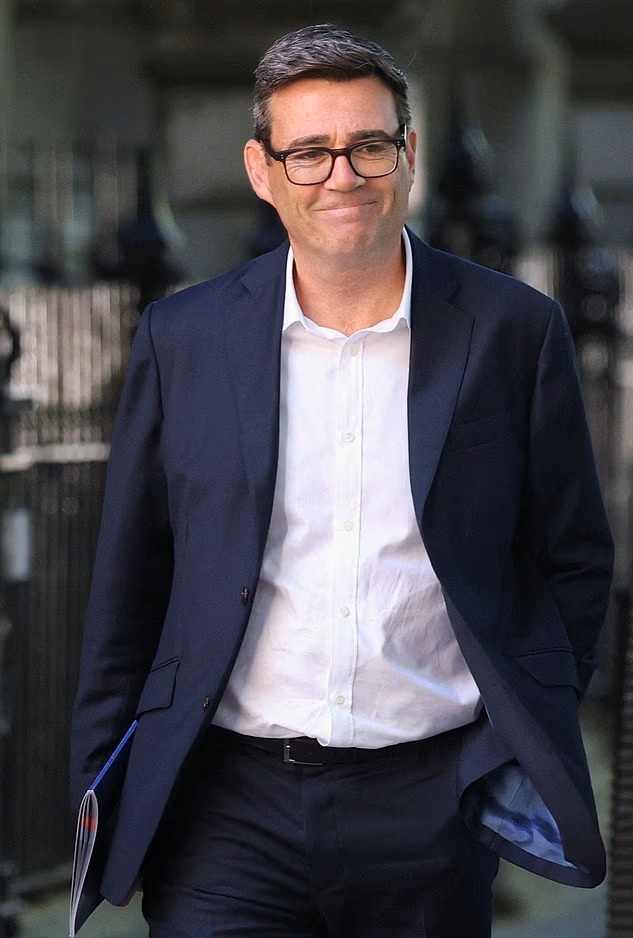
As Burnham takes office and starts pointing at Thatcher for the nation’s woes, I’m already rolling my eyes, because it’s just the usual political pantomime — leaders blaming the last lot, the last lot blaming the ones before, and the whole thing playing out like Westminster’s favourite recurring sketch.
Burnham is essentially rewinding Britain to before the “wrong turns” as his “coronation” comes to an end, and he begins to harken back to the pre-1980s golden days. This is accompanied by the dramatic sighs of everyone who remembers the 1970s and believes we are about to enter a sepia-toned replay, and he is essentially dusting out an instruction manual from the 1970s and reading it aloud at his own coronation as he trots around London and the South East, hinting at nationalisations and more public control.
Nothing says “new era” like a coronation tour packed with nationalisation allusions, Thatcher references, and a leader who has suddenly developed an enigmatic allergy to journalists, as Burnham gets ready to replace Starmer on Monday and deliberately avoids answering any questions from the media, and he appears to be launching his premiership via the world’s most aggressively wholesome TikTok channel as he avoids answering questions from the media and instead treats the country to soft-soap clips about how he takes his tea, whether he wears socks with sandals, and his firm stance against Yorkshire puddings at Christmas.
Burnham’s coronation has been so seamless that he may as well have come on a velvet pillow borne by the Parliamentary Labour Party, as he rushes into the Labour leadership following a symbolic procedure supported by over 95 per cent of MPs only weeks after his by-election return.
As he sails into the Labour leadership with 95 per cent of MPs behind him, Graham Stringer refuses to sign a ‘blank cheque’ — like the lone wedding guest who stands up during the vows to say, ‘Actually, I’d like a bit more detail before we crack on.’
On another dramatic day in UK politics:
British politics once again demonstrates that it’s just a soap opera with better suits as Burnham prepares to use his political capital on social care, Starmer bids farewell from Kyiv, and Wes Streeting maintains he wasn’t crying outside the incoming leader’s office.
The comments section is already making jokes that Burnham is essentially promising a return to vintage Labour, complete with nationalisations, nostalgia, and enough ideological chest-thumping to make it feel like a reunion tour, as he promises to be “unashamedly Labour in our priorities and in the decisions we take.”
Burnham is essentially providing a teaser for a blockbuster remake when he pledges a government with the “courage to fix the big things politics has neglected” and the “conviction to argue for our plans”—bold statements, dramatic music, and the expectation that the sequel will do better than the original.
And he’s essentially dusting up the old Labour scrapbook and recounting the pre-Thatcher chapters like a guy desperate to rewind the country to before the narrative twist, as he maintains that Britain suffered “a series of wrong turns in the 1980s” when political power was consolidated, and economic power was privatised.
Burnham is essentially announcing a complete reroute when he says that “a new path to the one we’ve been on for the last 40 years” will be necessary to make the economy work for everyone. It’s as if Britain has been on the wrong course since 1986 and he’s finally pressing the big, glowing “recalculate” button, and as Burnham gives Sir Keir only a polite sprinkle of praise for workers’ rights, the NHS and the Hillsborough Law — especially with Starmer not even attending — it’s the political equivalent of thanking the previous tenant for not breaking the boiler before you move in.
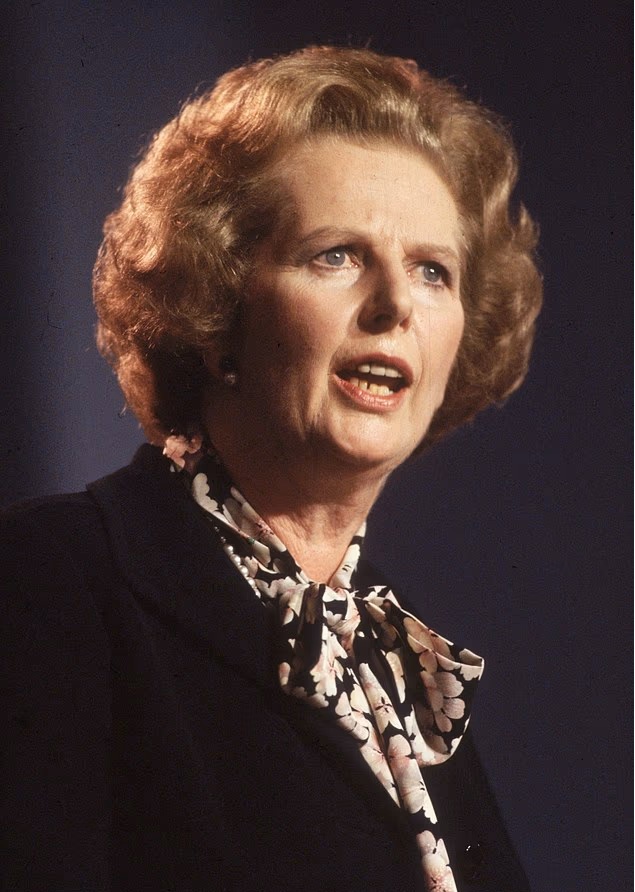
Burnham strolled into the leadership backed by 369 of Labour’s 403 MPs and eight of eleven unions; the whole thing was less an election and more a formality — the kind where the result is basically announced before the pens have even touched the nomination forms.
With Labour trailing Reform UK for over eighteen months, the party is hoping that Burnham’s presence will be more of a “defibrillator” than a “new leader,” igniting a bounce large enough to pull their polling prospects out of the recovery position.
As Starmer says he’d have won the next general election if he hadn’t been ousted — but is ‘proud to hand over the party in good shape’ — it’s the political equivalent of someone being booted off the stage and still shouting, ‘I would’ve smashed it, by the way!’ while straightening the curtains on their way out, and with Burnham gearing up for social‑care heroics, Starmer off on his Kyiv goodbye tour, and Wes Streeting denying he had a tiny emotional wobble, already saying British politics has fully slipped into EastEnders territory — just with higher production values and fewer dramatic pauses before the duff‑duffs.
As Burnham’s major launch gets underway, it’s already claiming that this is typical Labour behaviour: blame Thatcher, dismiss everything else, and continue as if the 1980s are essentially an Olympic event that we’ve been preparing for since the miners’ strike, and with Burnham pointing at Thatcher, he’s just joining the global tradition — Tories blame Labour, Trump blames Biden and Obama — and everyone’s shrugging like, ‘Of course, love, it’s politics; the theatrics are part of the ticket price.’

