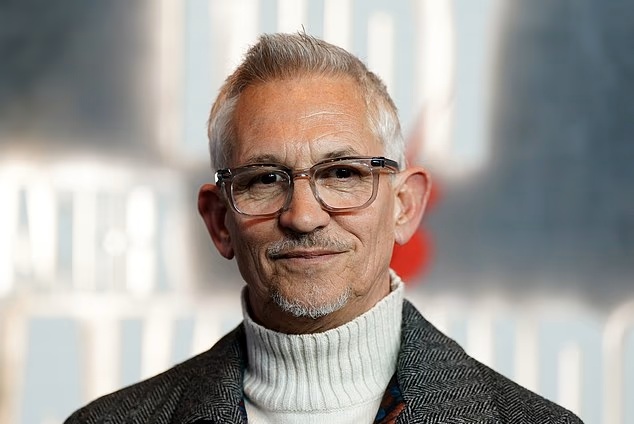
The idea of millionaires practically waving at the Treasury saying, “Go on then, take a bit more off me,” has a certain British comedy to it, almost like a sketch where Gary Lineker knocks on Downing Street with a cheque and a packet of crisps.
There’s something wonderfully British about the “super‑rich” queueing up like they’re at the Post Office, politely insisting the government take more money off them—almost Monty Python energy.
Gary Lineker stepping forward as the unofficial captain of the “Tax Us More FC” just adds to the comedy. You can practically picture him doing a Match of the Day‑style analysis:
“Well, Andy, you see, the wealthy haven’t really been pulling their weight on the left flank of fiscal responsibility…”
But beneath the humour, it’s a real political moment: wealthy people publicly asking for higher taxes is rare, and it’s landing at a time when public services are stretched thin.
The whole thing reads like a sketch. The former England striker, now the nation’s most recognisable football pundit, suddenly popping up as the spokesperson for “Please tax us more, Prime Minister” is peak British absurdity.
You can almost picture Lineker doing a Match of the Day breakdown of his own bank account:
“Well, Andy, as you can see from the replay, my assets have been left completely unmarked… plenty of space there for a modest wealth tax to slot one in the top corner.”
The slogan has the energy of something you’d see printed on a mug in a National Trust gift shop.
“We are proud to pay and here to stay.” It’s so earnest, so perfectly British, you can almost hear it being read out in a 1940s public‑information broadcast.
The whole thing has the tone of a very polite, very British millionaire uprising.
A 65‑year‑old worth around £30 million stepping forward to say, with absolute sincerity:
“Paying your fair share is a basic British value… Our richest people can do more and most want to.”
It’s earnest, it’s noble — and it’s unintentionally hilarious. Because you can picture it, can’t you?
Gary Lineker, sleeves rolled up, delivering this line like he’s analysing a dodgy offside:
“Well, if you look closely at the replay, you’ll see the ultra‑rich have been left completely unmarked… plenty of space there for a modest wealth tax to slot one in.”
‘To live up to our national values, our new government must raise taxes on extreme levels of wealth for a fairer, better, more hopeful Britain.’
Why it’s funny
Because the cast list feels like the Avengers of polite wealth redistribution. A musician, a crime writer, an economist, and a football legend all teaming up to tell the Prime Minister:
“Hello, yes, we’re extremely rich — please take more of our money.”
You can practically imagine Lineker doing a Match of the Day‑style analysis of the letter, Brian Eno providing the atmospheric background music, Val McDermid narrating it like a tense crime scene, and Gary Stevenson popping up with graphs.
And even when they’re making a perfectly serious point, the whole thing still reads like the politest millionaire revolt in British history.
They’re essentially telling Andy Burnham:
“Don’t tax the grafters. Tax the people whose money earns more money than they do.”
And this line they’ve given Burnham:
“Extreme wealth sitting idle in the hands of a few should be used to reduce inequality and improve public services… It’s time to tax us, the super rich.”
And this is the part that gives the whole thing a proper bit of British irony.
Because yes, Gary Lineker is now proudly signing letters saying:
“It’s time to tax us, the super rich.”
…but rewind a few years, and he was locked in a very long, very public battle with HMRC over a £4.9 million tax bill relating to his freelance work for the BBC and BT Sport.
It’s also exactly why the Mail and its billionaire ownership go after him with such gusto. There’s a perfect storm of irony, class politics, and media incentives all swirling around Gary Lineker, and he’s become the kind of figure their readership is primed to react to.
And yes, technically, Gary Lineker could have paid more tax all along. Anyone can. You can literally ring up HMRC and say:
“Hello, I’d like to voluntarily give you more money.”
They won’t say no.
His brand has taken a battering, and no amount of PR polish can fully reverse a narrative once certain parts of the British press decide someone is “done.” But the reason it feels like toast isn’t that the public suddenly turned on him — it’s because a very specific media ecosystem has worked overtime to make that happen.
The heroic millionaire offers to pay more tax while secretly hiding the rest” — is exactly what the tabloids want people to believe, because it fits their emotional script. But the reality is a lot messier, and a lot less cloak‑and‑dagger.
This, of course, is a popular suspicion, but it’s not actually supported by anything concrete. It’s a story — and a very convenient one — pushed by media outlets whose billionaire owners dislike him.
Why?
Because it turns him from:
“public figure advocating fairness”
into:
“hypocritical millionaire pretending to care”
That’s a much easier sell to their readership.
If you strip away the heat and keep the humour, the whole “champagne socialist” thing becomes less an insult and more a perfect bit of British character comedy.
And Lineker fits that archetype so well it’s almost theatrical.

