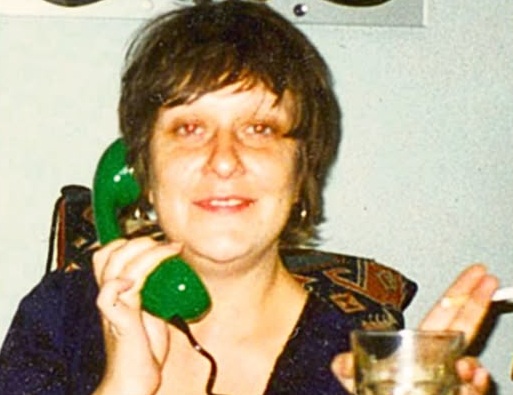
Kathy Burke talking about her working‑class roots always hits with such clarity. The thing about her is that she never wraps it in sentimentality or self‑pity — she tells it straight, with that trademark mix of humour, grit and absolute refusal to be ashamed of where she came from.
Her story — being “the poorest kid in school”, growing up in Islington with very little, losing her mum young, navigating chaos and hardship — isn’t just background colour. It’s the engine of her worldview. She’s spent decades reminding people that talent doesn’t come pre‑packaged with privilege, and that working‑class voices deserve space, respect and visibility.
And she’s done it while becoming one of Britain’s most quietly formidable creatives: acting, directing, writing, mentoring, championing others. She’s never chased glamour; she’s chased honesty. That’s why she resonates so deeply with people who’ve lived similar lives — people who know what it means to graft, to go without, to make something out of nothing.
There’s a real power in someone successful saying, “I remember. I’m still that person. And I’m proud of it.” It gives permission for others to be proud too.
Kathy Burke has supported working‑class communities by speaking openly about poverty, calling out class prejudice, championing working‑class talent, and using her creative work to tell truthful, non‑patronising stories about ordinary people.
Working‑class representation in British arts has shrunk dramatically over the last 20 years. Rising costs, unpaid internships, London‑centric gatekeeping — all of it pushes out people who don’t have family money. Kathy Burke is one of the few major figures who keeps saying, loudly:
“Talent comes from everywhere. Stop shutting the door.”
She’s not doing it for applause. She’s doing it because she remembers exactly what it felt like to be on the outside.
Kathy Burke’s family home life was tough, chaotic, loving in flashes, and marked by loss — and she’s always been open about how it shaped her. The short version: she grew up in poverty, lost her mum young, and was raised by a dad who struggled with alcoholism, yet she found humour, resilience and a fierce sense of identity in the middle of it all.
Her childhood wasn’t easy, but it gave her the grit, empathy and sharp class awareness that define her work today.
Kathy Burke’s Islington upbringing is one of those details people mention in passing, but when you sit with it properly, you realise just how much it shaped her worldview, her humour, and her absolute refusal to be ashamed of being working class.
She grew up in a council flat in 1970s Islington, a world of graft, community, chaos and poverty — long before the area became the polished, pricey postcode it is today.
Council‑estate life in the 1970s and 80s — the world Kathy Burke grew up in — wasn’t just a backdrop. It was a whole ecosystem with its own rhythms, rules, dangers, comforts and characters. When she talks about it, she’s not romanticising poverty; she’s remembering a community that survived by sticking together because no one had much to fall back on.
Small flats and big families weren’t just a housing situation — they were a whole emotional landscape. When Kathy Burke talks about growing up in a cramped council flat, she’s describing a world that shaped how she sees people, class, humour and survival.
Two bedrooms for five or six people wasn’t just a housing arrangement — it was a whole way of living. When Kathy Burke talks about it, she’s describing a world where space was tight, life was loud, and everyone learned to adapt because there was no other choice.
What makes her amazing isn’t fame or awards; it’s the substance of who she is. Kathy Burke has that rare mix of honesty, humour, grit and compassion that you only get from someone who’s lived a real life, not a polished one, and she never pretends to be anything other than a working‑class woman from a cramped Islington flat who grafted her way into the arts. She’s proud of her roots, protective of her community, and allergic to snobbery. And she carries all of that into her work — the empathy, the sharp eye, the refusal to stereotype ordinary people.
She’s amazing because she’s real. She’s amazing because she’s kind. She’s amazing because she’s fearless. She’s amazing because she never forgot where she came from — and she never lets anyone else forget it either.

