The Timms Review independent panel is scheduled to hand its major report on reshaping the future of the UK’s Personal Independence Payment (PIP) disability benefit to the Government in November 2026.
The final report is anticipated to detail extensive recommendations on overhauling Personal Independence Payments (PIP) by tightening eligibility, modifying assessments, and introducing alternative support models like vouchers or targeted grants.
The proposed overhaul could make it harder for people with certain conditions to qualify for Personal Independence Payments (PIP) or result in benefit cuts for some households.
The independent Timms Review was commissioned to examine the Personal Independence Payment (PIP) system following a significant surge in expenditure, with annual spending forecast to rise from around £15 billion to over £41 billion by 2031.
The significant surge in spending has largely been attributed to a rapid rise in younger adults claiming Personal Independence Payments (PIP) for conditions like anxiety, depression, and ADHD.
These younger claimants could be targeted in a sweeping disability benefits overhaul expected to take effect in 2027.
The Government targets sweeping disability benefits by changing assessment thresholds to require higher single-activity scores, swapping cash payouts for vouchers or service-led support, and replacing monthly health elements for under-25s with intensive employment and mental health packages.
Critics argue that reshaping these benefits is morally wrong because policymakers lack the lived experience of navigating debilitating conditions like anxiety, depression, and ADHD, which are severe, disabling health challenges rather than behavioural flaws.
Critics argue that a politician’s short tenure cannot replace decades of clinical expertise, meaning welfare policies should be guided by the qualified doctors and consultants who actually understand the lifelong, complex realities of diagnosing mental health and neurodivergent conditions.
Many disability rights advocates and families share the view that without the firsthand, lived experience of raising a disabled child or living with a disability, policymakers cannot truly comprehend the daily emotional, physical, and financial realities these families face.
Parents and advocates emphasise that raising a disabled child is a profoundly demanding, round-the-clock responsibility because individual needs are completely unique and cannot be neatly pigeonholed into rigid bureaucratic categories.
Critics and campaigners passionately argue that policymakers must remember they are dealing with human beings with thoughts and feelings, and that removing an essential financial lifeline like PIP strips away the one thing that keeps them going—the ability to live independently.
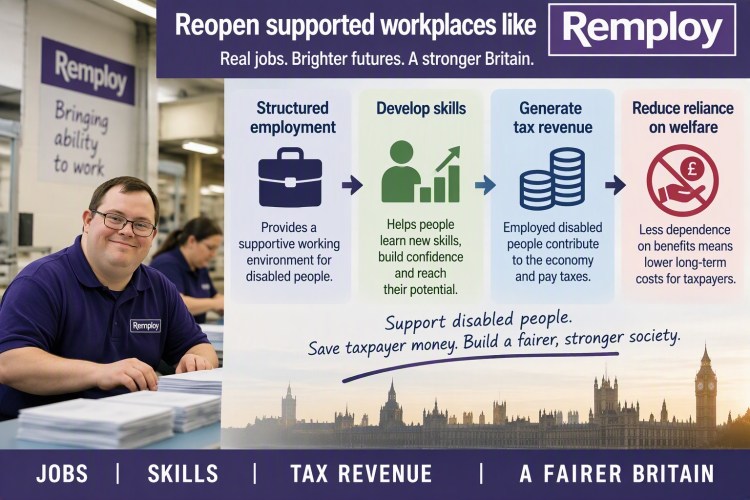
Proponents argue that reopening supported workplaces like Remploy would save taxpayer money by providing structured employment, helping disabled people generate tax revenue and learn skills rather than relying entirely on welfare.
The UK Government shut down Remploy factories between 2012 and 2013 because running segregated workplaces required an unsustainable taxpayer subsidy of £25,000 per worker annually.
Critics and trade unions argue that shutting down Remploy failed to save taxpayers any money because the massive upfront closure costs and redundancies were compounded by long-term welfare spending when the majority of displaced disabled workers were left permanently unemployed.
Critics argue that the Government cannot “have its cake and eat it” by expecting to save taxpayer money through the closure of supported workplaces like Remploy, while simultaneously attempting to cut the Personal Independence Payment (PIP) financial safety net that displaced disabled people rely on to survive.

