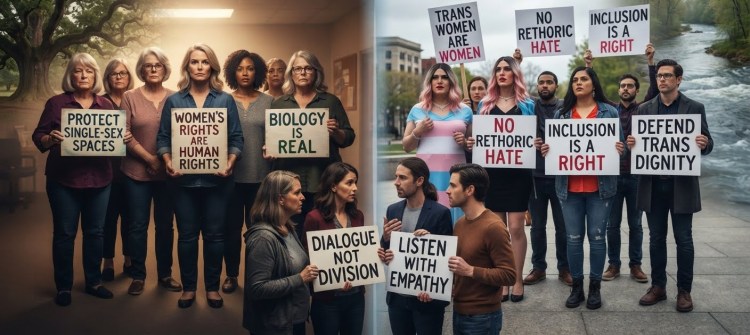
The debate surrounding J.K. Rowling’s views on sex and gender identity is deeply polarised, with supporters arguing that biological sex must be legally and socially distinct to protect women’s spaces. At the same time, critics contend that her stance invalidates transgender identities and fosters harmful discrimination.
Since 2020, J.K. Rowling has consistently defended the position that biological sex and gender identity are not interchangeable, arguing that safeguarding women’s single-sex spaces is essential for privacy and safety, while simultaneously maintaining that transgender individuals deserve to live safely and authentically.
J.K. Rowling’s comments on biological sex and gender identity have generated a complex blend of severe criticism and strong support, resulting in highly visible public disagreements with core Harry Potter cast members alongside defence from other franchise actors.
J.K. Rowling strongly welcomed a landmark UK Supreme Court ruling that unanimously interpreted the words “woman” and “sex” under the [Equality Act 2010](parliament.uk “Supreme Court judgment on the meaning of “sex” in the …”) to refer strictly to biological sex at birth rather than gender identity.
While supporters view her position as a vital defence of sex-based protections, critics contend that her rhetoric undermines the dignity and inclusion of transgender people.
The question of how an individual assigned male at birth can experience an internal identity as a woman is viewed by critics as an impossibility due to the absence of female biological milestones and sex-based socialisation. In contrast, transgender individuals and psychological experts describe it as an innate, psychological sense of self and an intrinsic need for bodily and social alignment rather than a claim to have experienced cisgender womanhood.
Major medical institutions like the American Psychiatric Association and the World Health Organisation define gender dysphoria as the clinically significant distress experienced when a person’s deeply ingrained internal gender identity does not align with their assigned sex at birth.
Gender-critical feminist theorists argue that the medical model of gender dysphoria pathologises what is fundamentally a social issue, contending that treating a rejection of conventional masculinity or femininity as an internal identity disorder reinforces restrictive patriarchal stereotypes and the concept of distinct psychological essences rather than working to dismantle rigid gender roles entirely.
Trans-inclusive feminists argue that accessing gender-affirming medical care is a vital expression of bodily autonomy that alleviates severe distress rather than reinforcing patriarchal stereotypes, contending that true feminist liberation must reject rigid biological determinism to grant all individuals, including transgender women, the fundamental right to define their own bodies, identities, and lived experiences.
“There are two types of male oysters, and one of them can change genders at will. And before man crawled out of the muck, maybe he had the same option. Maybe originally we were supposed to be able to switch genders, and being born with just one sex… is a mutation.”

