
Wes Streeting’s life story is unusually stark for a senior British politician: a childhood shaped by deprivation, criminality, and even a mother born in prison, followed by a rapid climb to the top of government and a central role in attempts to improve the NHS.
Streeting grew up in a council flat in London’s East End, born in 1983 to teenage parents who struggled financially. His family background was drenched in criminality and instability. His maternal grandfather, Bill Crowley, was a career criminal and armed robber known to the Krays.
Libby Crowley, his grandmother, was incarcerated in Holloway and even shared a cell with Christine Keeler. His mother, Corinna, was born in prison, something that Streeting has candidly discussed, and as a child, he made primary-school prison visits to see his grandfather. It was these experiences that shaped his views on law, order, and social justice.
Despite a tumultuous start, Streeting’s academic ability was spotted early, and with teacher support, he attended a Sutton Trust summer school and subsequently won a place to study history at Selwyn College, Cambridge. He became president of the Cambridge Students’ Union and later the National Union of Students.

Streeting came out as gay at university, describing it as liberating at Cambridge but frightening at home.
Before joining Parliament, he worked in the nonprofit sector, concentrating on education and inequality with organisations including Stonewall and the Helena Kennedy Foundation.
In 2010, he was elected as a Labour councillor. In 2015, he became MP for Ilford North. He served in multiple shadow roles before becoming Secretary of State for Health and Social Care in 2024, known for his direct communication style and readiness to criticise both the left and right of his party. By 2026, he emerged as a frontrunner to succeed Keir Starmer as Labour leader.
As Health Secretary, Streeting positioned himself as a reformer determined to ‘fix the NHS,’ drawing on his own experiences of poverty and reliance on public services. His approach included confronting long waiting lists and workforce shortages. Pushing for modernisation and accountability, and arguing that he is a ‘product of what happens when the state does things right,’ emphasising the role of public services in lifting families out of hardship.
Wes Streeting could be a capable prime minister in some respects, particularly in communication, strategic clarity, and the willingness to take political risks, but whether he would be a good prime minister depends on what one values in leadership.
Streeting is widely viewed as one of the strongest communicators and a highly effective political operator. He has never concealed his ambition and has been preparing for leadership for years.
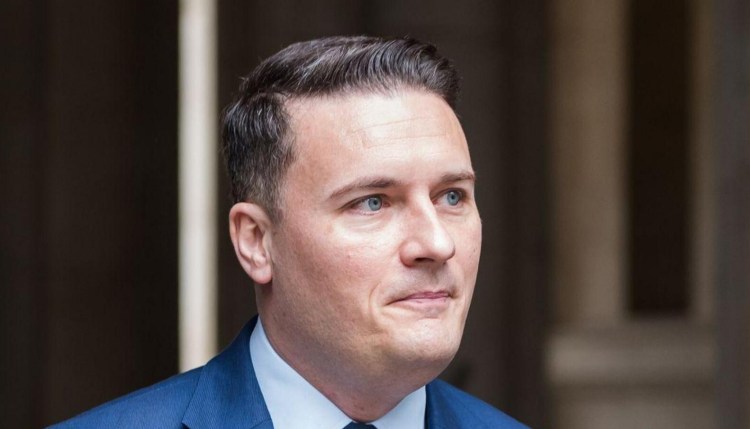
He is known for being a ‘window-breaker’ rather than a careful manager, and he is someone who pushes change rather than glossing things over.
So, would he be a good Prime Minister? It depends on what you believe the UK needs, but his insight into ‘everyday people’ is something that the UK needs. The problem is that once they get into power, that power goes to their heads, and they end up being like any other prime minister before.
What I like about Streeting is that he has succeeded on his merits, and that’s what matters, regardless of his family background.
Would I vote for him? – No, because I would never vote for Labour, not now, not anytime in the future, because Starmer has tarnished the party from the inside out, and I don’t believe that many people will trust Labour again.

