
Andy Burnham’s prospects in the Makerfield by‑election are genuinely knife‑edge, with the latest constituency polling revealing an incredibly tight race between Labour and Reform UK. The first Survation poll (18–22 May, N=369) puts Burnham on 43 per cent and Reform’s Robert Kenyon on 40 per cent, well within the ±5.1‑point margin of error.
Reform’s local strength is real. In the May local elections, Reform won every ward in the Makerfield area, taking around 50 per cent of the vote and wiping Labour out at the council level.
Labour’s national polling has crumpled, while Reform has surged, making previously safe seats highly competitive.
Makerfield is older, heavily Leave‑voting, and 97 per cent white — a profile that aligns strongly with Reform’s core vote.
Without Burnham, pollsters say the seat would be an easy Reform gain. Survation modelling even suggested Labour would have a 0 per cent probability of winning without him, versus 67 per cent with him as a candidate.
Despite the headwinds, Burnham brings a unique personal advantage. He is presently the UK’s most popular politician, with a 35 per cent positive rating. He has a strong local profile as Greater Manchester Mayor, widely seen as effective and ‘anti-Westminster,’ and pollsters emphasise a genuine ‘Burnham factor,’ and his personal vote could offset national trends in a way no other Labour figure could. This is why analysts portray him as the “narrow favourite”, but only just.
Burnham’s hopes of using Makerfield as a springboard to challenge Keir Starmer simply hang in the balance. The race is close enough that small shifts in turnout, local campaigning, or late‑breaking sentiment could decide it either way. The polling shows a razor‑thin Labour lead, but the fundamentals of the seat lean heavily toward Reform.
However, you should confirm breaking political information with trusted sources, as details can shift quickly.
Here’s the “Burnham factor” in a clean, evidence‑based breakdown — what it really is, why it matters in Makerfield, and why pollsters treat him as an outlier in Labour’s favour. (And as always with political content: you should verify details with trusted sources.)
It’s not one thing — it’s a bundle of advantages that are unusually focused in a single politician. Pollsters and analysts use the term because Burnham performs far above the Labour brand in areas where Labour is now weak.
Burnham invariably polls as one of the most popular politicians in the UK, usually with net-positive ratings even among voters who dislike Labour nationally. This matters because Makerfield is precisely the kind of seat where Labour’s brand has crumpled, but a personally popular candidate can still cut through.
He isn’t seen as a Westminster beast. He’s seen as a Greater Manchester figure, a local lad and someone who ‘stood up to London’ during COVID and transport disputes. That plays particularly well in Wigan/Makerfield, where anti‑Westminster sentiment is elevated.
Reform’s surge is strongest among more senior voters, white working-class voters, and 2016 Leave voters.
Burnham is one of the very few Labour figures who still polls competitively with this demographic. He talks in a way that resonates with them — transport, wages, housing, fairness — not abstract Westminster policy language.
As Mayor, he has observable accomplishments like bus franchising, homelessness initiatives, transport integration, and the ‘Bee Network’ brand.
Voters in the region can point to things he has actually done, which is rare in by‑elections dominated by national disillusionment.
He is not Keir Starmer; this is the unspoken but important part. In places like Makerfield, Starmer is not popular, so Burnham benefits from being Labour but not Starmer’s Labour.
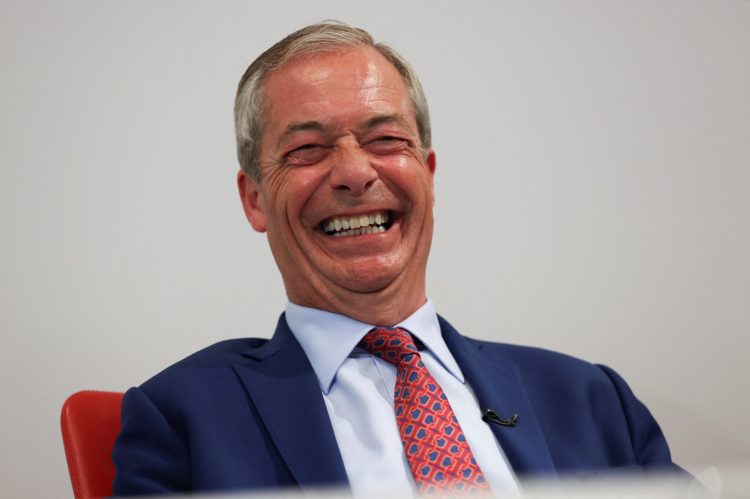
He is seen as being more authentic, more northern, more rooted in everyday problems, and less managerial and distant. This gives him access to voters who would otherwise defect to Reform.
He is a known fighter for the region — Burham frequently clashed with the central government, particularly during COVID, and he created a narrative that he ‘stands up for the North,’ and that identity is powerful in a seat that feels economically and politically ignored.
Many individuals believe that Nigel Farage will be our next prime minister. Still, right now, there is no definitive data, polls, projections, or official reports that indicate that Nigel Farage is on course to become prime minister. He has a strong base, but also incredibly high negatives.
At the moment, lots of people believe that Farage will end up as prime minister — that’s a political belief, not a forecast — but people are absolutely entitled to their views. From an evidence perspective, nothing presently indicates Farage is on the path to Number 10.

