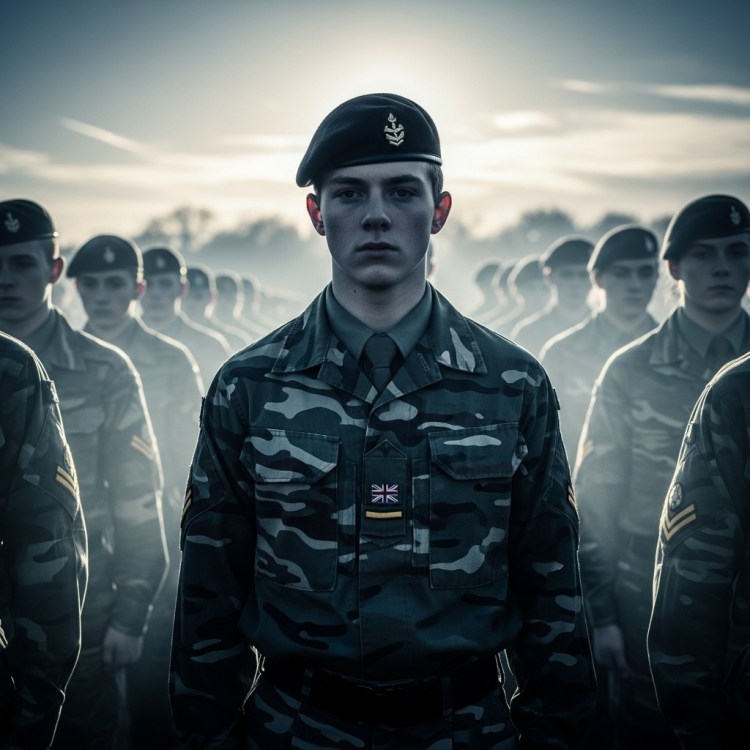
It appears that the government are drawing up plans that could bring back some form of National Service, but only for specific groups, and not full conscription. The details are still emerging, and nothing is final or active yet.
Based on the latest reporting (May 2026), the government is exploring a “targeted national service model” aimed at 18-21 year olds, people not in education, employment or training (NEETs), young offenders or those at risk of offending, and certain benefit claimants, especially those long-term unemployed.
This is not the old-style military draft. It’s more like a mandatory civic or skills programme, with a military opportunity for those who want it.
The proposals being discussed include 12 months full-time service or a part-time ‘civic duty’ route (weekend volunteering, emergency services support, community work), military placements for those who choose it, skills training for work, especially in shortage sectors, and behavioural and discipline-focused programmes for young offenders.
This is being framed as a way to tackle recruitment shortages in the armed forces, antisocial behaviour, youth unemployment, and lack of skills in key industries.
Many critics are arguing that it amounts to forced labour for the impoverished, punishment for jobless young people, a backdoor form of conscription, and a distraction from cuts to youth services and the military.
However, I believe it could build discipline, reduce crime, boost national unity, and fill gaps in defence and emergency services. My question is: would people be able to cope if there were a war in the UK?
Humans are more psychologically resilient than we realise, but in the event of conflict, communities would need to work together to remain united while preserving daily routines. Sadly, in the UK today, we are less socially cohesive than we were during World War II, more isolated, more reliant on technology, and more suspicious of others, all of which undermine our resilience.
So, how does this new national service compare to the old one? The short answer is that the old National Service (1949-1963) was full military conscription for almost all young men. The new 2026 proposals are a mixed military/civilian scheme for 18-21-year-olds, with far more exemptions and choice, but this is still under debate.
So, what would the pay and conditions be like? A £1,200/month salary, which is below the living wage, but includes accommodation and training.
The previous system was a conscription mechanism created during the war to sustain a significant military presence around the world. The new system is a hybrid civic-military agenda that focuses less on creating a large army and more on social policies, labour shortages, and national resilience.
This, of course, is all extremely fascinating, but I suspect it will never happen, and why? Because the military doesn’t want it. The Ministry of Defence has repeatedly said they don’t want unwilling recruits, and that conscripting tens of thousands of untrained 18-year-olds would cost more than it solves.
It would be astronomically costly with an independent estimate, which would put the cost at £2-3 billion per year minimum, and that’s before accommodation, training, administration, and civilian placements are even factored in.
It’s also politically unpopular, and polling indicates that older voters like the concept, young people overwhelmingly dislike it, parents don’t want their kids forced into it, and the military community itself is divided. Also, our government, which is already under pressure, won’t pick a fight this big.
This is simply a ‘signal policy’, not a real one, because if the government announces theatrical ideas, they look formidable, distract from other problems, create headlines, and appeal to nostalgic voters.

