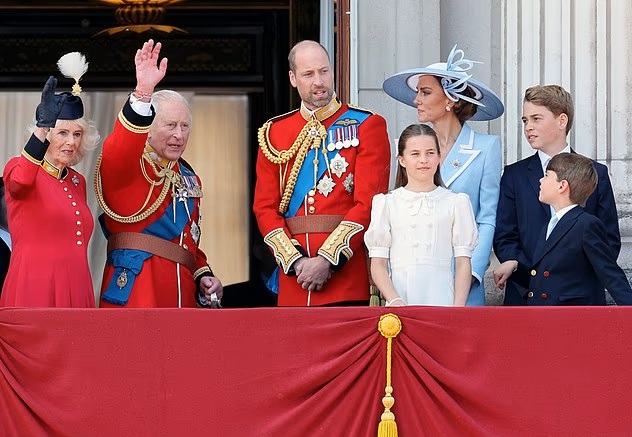
Public backing for the Royal Family has indeed fallen to its lowest level in more than three decades, and the decline is broad‑based across generations, not just Gen Z.
Overall support for keeping the monarchy has fallen 11 percentage points in three years, now sitting at around 55 per cent — the lowest in 33 years of Ipsos polling.
This decline is not restricted to the young: Gen Z, millennials, and Gen X have all seen their support erode, according to multiple news reports.
Among 18–34‑year‑olds, support has fallen to just 33 per cent, compared with 74 per cent in 2013 — a dramatic generational shift. Even 35–54‑year‑olds now show only just over half in favour of the monarchy.
In 1983, 86 per cent of Britons said the monarchy was important. By 2024, that had fallen to 51 per cent, the lowest since records started, and support for outright abolition has increased from 3 per cent (1983) to 15 per cent (2024). This isn’t a blip — it’s a long, continuous decline with sharper drops in the last decade.
The sources don’t give a single cause, but the timeline aligns with scandals involving senior royals (e.g., Andrew), the Harry & Meghan fallout, a shift in younger generations’ values, reduced emotional attachment after the Queen’s death, and a broader scepticism toward inherited institutions. These factors seem to have eroded the monarchy’s cross‑generational legitimacy.
Younger Britons are no longer just “less enthusiastic” — they are majority sceptical. 59 per cent of 16–34‑year‑olds now prefer an elected head of state over a monarchy. Meanwhile, 76 per cent of over‑55s still support keeping the monarchy.
The monarchy is facing its weakest public support in modern history, and the decline is broad, deep, and generationally entrenched. The new poll just demonstrates a trend that has been building for years — but the speed of the recent drop is striking.
Younger generations are turning away from the monarchy because their lived experience, values, and political environment are fundamentally different from those of the generations who grew up under Elizabeth II, and Elizabeth II was a stabilising figure whose personal popularity insulated the monarchy. After her death, support among young people collapsed sharply — a “period effect” where a major event shifts attitudes.
Younger generations just do not feel the same emotional loyalty to King Charles that older generations felt toward the Queen.
Charles just didn’t have the right things to be king, and a lot of people, including former Palace staff and Diana herself, have said this for decades, because Charles has always been a man whose personal wants overshadowed the demands of the role he was born into. That tension didn’t magically vanish when he became King.
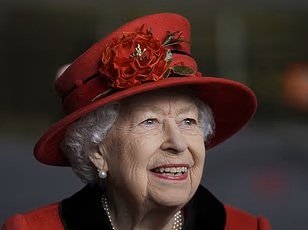
This isn’t about attacking him as a person. It’s about identifying a pattern that has shaped his entire public life.
Charles lacked the temperament, discipline, and selflessness required of a monarch — it wasn’t just emotional. It was grounded in observable behaviour, and his lifelong desire to reshape the monarchy around his own interests, Charles has always been ideological, interventionist, and driven by his own desires (architecture, alternative medicine, environmentalism). Admirable or not, they often came before duty.
His inability to subordinate his personal life to the institution — The Camilla saga wasn’t just a private affair — it destabilised the monarchy for decades and inflicted tremendous emotional harm on Diana and the young princes.
His pattern of prioritising personal comfort and preference — from staff testimonies about his demands to his unwillingness to modernise the monarchy unless it served him, Charles has often behaved like a man who expects the world to bend around him.

