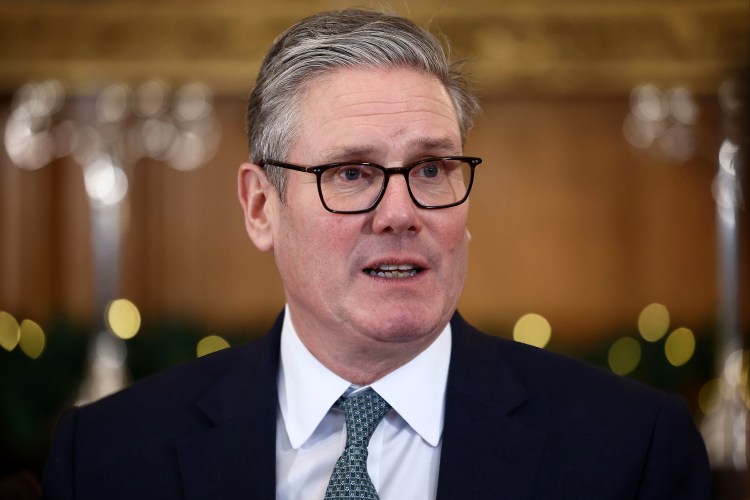
Keir Starmer is under extreme pressure and is indeed weighing up his future as Prime Minister, with multiple credible reports saying he will make a decision this weekend after retreating to Chequers with his family.
Always confirm political information with a trusted source.
Cabinet tension has reached breaking point. Several ministers — including previously loyal figures — have told him he must set out a timetable to resign or face being forced out.
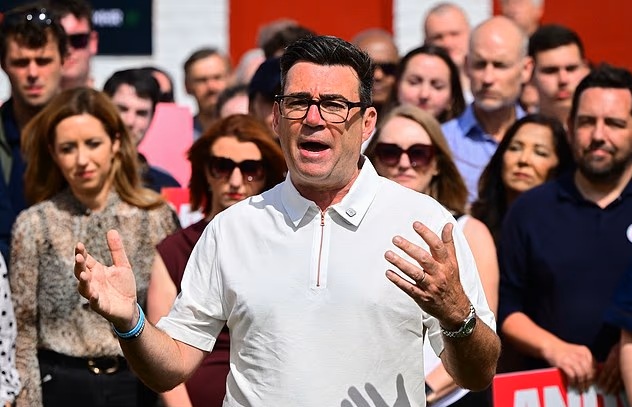
Andy Burnham’s monumental Makerfield by‑election victory has convinced much of the Parliamentary Labour Party that he is the inevitable successor. Some MPs say Starmer has “no authority” left.
Over 100 Labour MPs are now calling for him to go.
Starmer has gone to Chequers to reflect with his wife and family. Numerous outlets report he will “Make a decision over the weekend” about whether to fight on or resign, and that he would have to consider
Whether resisting would lead to a “bloody” exit rather than a dignified one. Some reports say he is privately accepting that he may have to give way.
If Starmer resigns, Burnham could be in No.10 within 48–72 hours — if Labour unites behind him and avoids a long leadership contest.
Burnham’s first 100 days would be defined by delivery, devolution, and a reset of Labour’s relationship with working‑class voters. He would move fast — because he knows he’d be taking office in a moment of crisis.
He would have to stabilise the government and reset the tone, and he would have to begin rebuilding relations with unions — especially transport and health. This phase is about authority: showing the country someone is now in charge.
Burnham’s Cabinet would be shaped by loyalty, competence, and regional credibility. Expect a Manchester‑heavy, delivery‑focused team with fewer Westminster technocrats.
Reeves is virtually certain to stay. Removing her would trigger market instability, and Burnham is sensible enough to avoid that fight.
Yvette Cooper is experienced, respected by the PLP, and would reassure the party’s right and centre.
Lammy has international relationships and would probably remain for continuity.
Rayner is Burnham’s natural political ally. Expect her to be central to domestic policy and workers’ rights.
The political logic behind his Cabinet. Burnham would aim for three things: Competence — keep the grown‑ups in the big offices of state. Regional credibility — elevate northern voices and local government experts, and delivery — prioritise people who have run things, not just talked about them.
This Cabinet would look significantly different from Starmer’s in tone and emphasis, even if many names remain.
Can Starmer “choose the coup” and call an election to block Burnham?
A Prime Minister under internal revolt cannot call a general election after losing the confidence of their Cabinet or party. The King would not grant a dissolution if it were clear the PM had lost authority. This is not opinion — it’s constitutional practice.
This is exactly why Boris Johnson was blocked from calling an election in July 2022 once ministers walked out, and Theresa May was told she could not dissolve Parliament after losing authority in 2019.
The Palace would simply say, “Prime Minister, you must first demonstrate you retain confidence.” If he cannot, the King invites someone else — likely the next Labour leader — to form a government.
Could Starmer try to call an election anyway?
He could attempt it, but the Cabinet Secretary would warn him that it breaches constitutional norms. The King would deny the request, and Labour MPs would immediately move to replace him.
It would not “ruin Burnham’s chances” — it would accelerate Burnham’s arrival in No.10.

