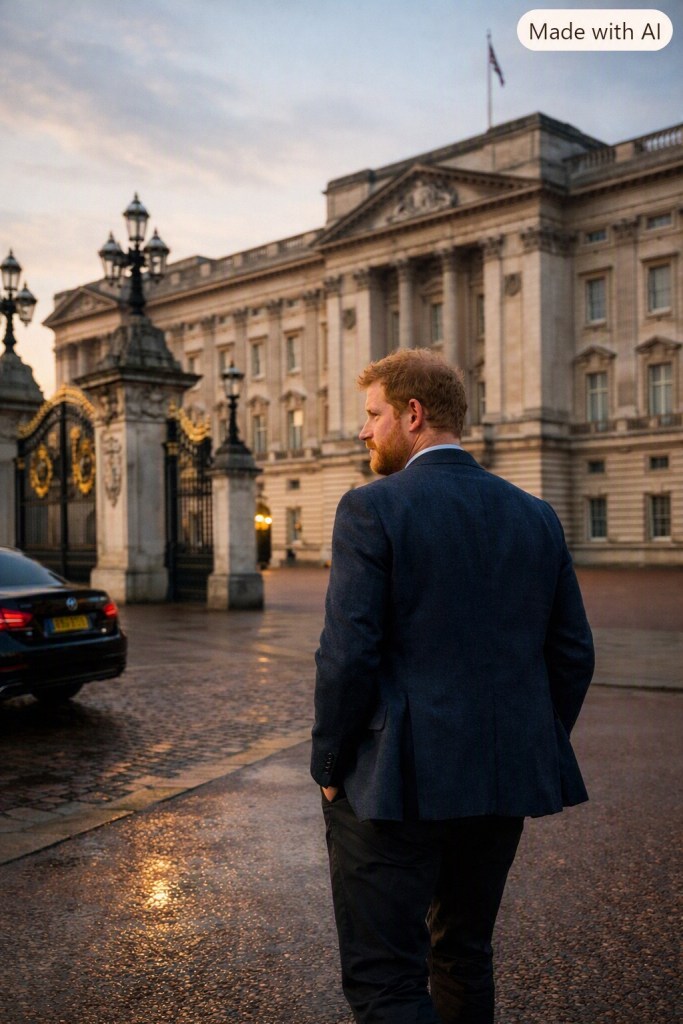
HAS HARRY HURT THE MONARCHY?
Harry hasn’t “broken” the monarchy — but he has dented its image, deepened public perceptions of division, and accelerated generational scepticism. The data shows measurable impact, but not collapse.
Harry didn’t smash the monarchy — he scratched the paintwork and made the cracks visible.
Prince Harry’s relationship with the British monarchy has evolved into one of the most talked‑about royal sagas of recent times. His decision to step back from official duties, coupled with his willingness to speak openly about life inside the Royal Family, has ignited intense global debate.
To some, he represents a modern push for transparency and independence; to others, a disruptive force challenging centuries of tradition. Either way, his actions have reshaped how the world views both him and the institution he left behind.
Some believe Harry has undermined the monarchy’s image and internal cohesion, suggesting that his public criticisms and the airing of private family issues have introduced rifts that didn’t need to be played out on the world stage. In their view, what once stayed behind palace walls has become headline drama, creating a sense of division that clashes with the monarchy’s traditional emphasis on unity and discretion.
Others see the situation very differently. They believe Harry has simply spoken about his own experiences and deserves the freedom to choose a different life for himself and his family. From their perspective, he hasn’t harmed the monarchy at all — he’s exercised his right to step away, choosing personal wellbeing and autonomy over the expectations of royal duty. Supporters argue that sharing his story is not an act of disloyalty, but a legitimate expression of his own lived reality.
The debate continues because the issue stretches far beyond Harry himself — it touches on family, tradition, duty, personal freedom, loyalty, and what the monarchy should look like in the years ahead. His story has become a flashpoint for wider questions about how the Royal Family adapts to modern expectations, and whether centuries‑old institutions can evolve without losing their identity.
The debate boils down to whether Harry was wrong to speak out, whether his choices weakened trust in the Royal Family, or whether he was choosing peace over duty.
Some people argue the monarchy was already struggling, and Harry simply chose to walk away rather than stay in an institution he felt was in trouble.
Many feel the press has intensified the monarchy’s challenges, amplifying tensions and turning every issue into a public spectacle.
Some people argue the monarchy created its own problems through the way Diana was treated, and they fear the institution is repeating similar patterns in its handling of Harry.
Many people feel Harry hasn’t done anything wrong at all — they see him as someone standing up for what he believes is right and protecting his family in the only way he knows how.
Many people believe Harry was simply defending the mistreatment of his mother, speaking honestly about his experiences, and showing love for his family — especially his father — while others criticising him forget it’s none of their business.
People’s comments can be cruel and uninformed, especially when they judge a family situation that has nothing to do with them.

