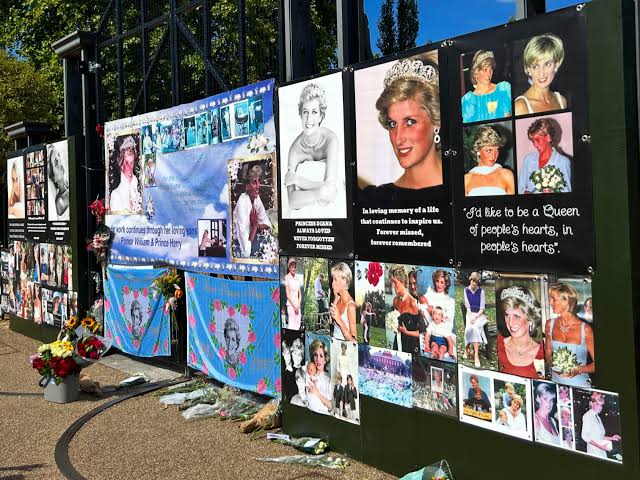
While Prince Harry’s profound grief over the tragic loss of Princess Diana is universally understood, there is a growing consensus that allowing this enduring trauma to anchor his public narrative risks overshadowing his current achievements and independent future.
Prince Harry was just 12 years old when his mother, Diana, Princess of Wales, tragically died in a car crash in Paris in 1997.
The sudden and chaotic loss of his mother under such an intense global spotlight inflicted a deep emotional trauma that will likely stay with him forever.
Grief carries no expiration date, and no one has the right to dictate how or when another person should heal from a profound loss.
Time does not erase a son’s longing for his mother, and the passage of decades cannot diminish the quiet ache of her absence.
However, honouring Diana’s memory is distinctly different from allowing her tragic death to repeatedly dominate public interviews, documentaries, books, and explanations for modern-day decisions.
For nearly three decades, Harry has consistently linked his personal anxieties, intimate relationships, and deep-seated rifts with the Royal Family directly to the enduring trauma of his mother’s death.
That deep-seated pain undoubtedly deserves absolute compassion.
Continually revisiting that loss on a global stage risks projecting an image of a man permanently anchored to his childhood’s darkest hour.
Prince Harry’s profound and lifelong grief over the 1997 death of his mother, Diana, Princess of Wales, commands deep compassion as a natural and enduring human experience. However, continually anchoring his public narrative, personal decisions, and family rifts to that childhood tragedy risks overshadowing his independent future and current achievements.
The true concern lies in watching her tragic death transformed into recurring public material, or routinely weaponised to validate every modern disagreement and personal choice.
Ultimately, Diana’s legacy was vastly greater than the tragic circumstances of her death, and reducing her memory to an endless catalyst for modern conflict does a disservice to the vibrant, impactful life she actually lived.
She was defined by compassion, courage, warmth, and service.
Though Prince William suffered the same devastating loss at age 15, he has largely chosen to honour her by quietly weaving her values into his public service while protecting his grief as a deeply private matter.
While it is true that we all grieve differently and no two people process trauma the same way, the contrast between the brothers highlights how the same tragedy can manifest in completely different public paths.
While Harry retains an absolute right to mourn his mother, drawing a line between personal tribute and commercial media contracts ensures that an incomparable family tragedy isn’t used to generate multi-million-pound profit.
While it is natural to feel that public mourning should have transitioned into celebrating fond memories years ago, the unpredictable timeline of personal grief means childhood trauma rarely resolves cleanly.
Ultimately, any mother would simply want her son to move forward and live a full, happy life—not to forget her memory, but to step out from its shadow and embrace his own independent future.
By carving out his own path, much to the chagrin of “The Firm,” Harry’s refusal to bow to rigid royal expectations has earned him a distinct popularity among those who celebrate his personal independence.
It is fundamentally unfair for anyone to judge Harry’s feelings or set a deadline on his healing, especially considering the relentless, vile public abuse he and Meghan face alongside a painful rift with an institution that prioritised corporate duty over basic family support.
For those who believe him, Harry’s decision to speak out is a necessary exposure of institutional secrets, rooted in the firm conviction that the ultimate truth will always find a way to come out.

