Schools successfully teach teenagers how to calculate the area of an isosceles triangle, yet leave them completely defenceless against a gas bill, a raw chicken breast, or a leaky U-bend.
Teaching practical life skills equips teenagers with the ultimate survival guide for adulthood, transforming them from exam-passing robots into functioning humans who can actually decode a food label, sew a button, and face a gas bill without panicking.
While introducing life skills shouldn’t replace core academic subjects on an already bursting timetable, providing structured lessons creates a level playing field, ensuring every teenager gets a basic survival foundation regardless of whether their parents can teach them at home.
A truly useful life skills course would swap tedious exams for hands-on, survivalist training, featuring age-appropriate lessons on everything from defusing a ticking financial time bomb of a monthly bill to successfully navigating the digital wilderness after graduation.
While a university degree might open the front door of adulthood, it is everyday competence that stops you from accidentally burning down the kitchen or being defeated by an IKEA flat-pack once you get inside.
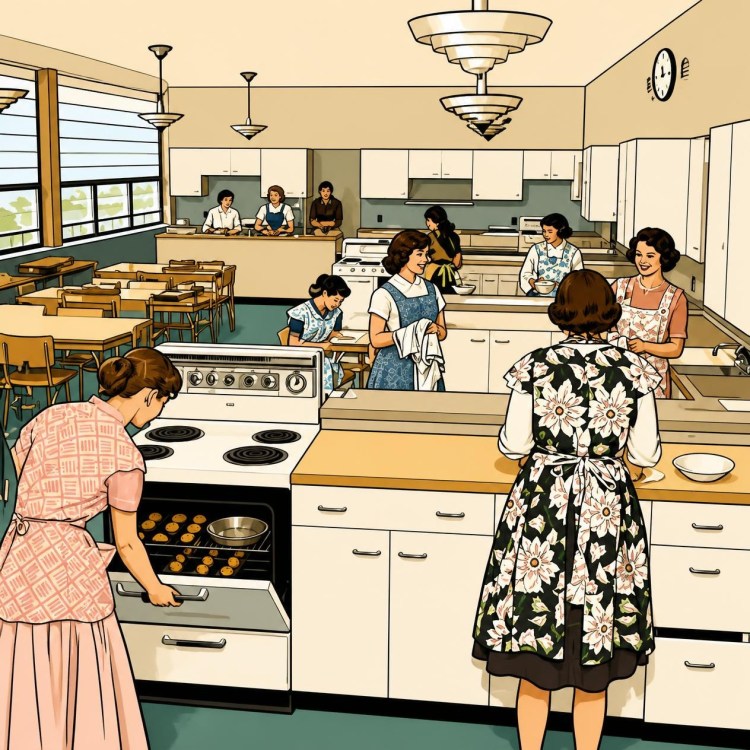
Traditional Domestic Science rooms with ovens and sewing machines have largely vanished, replaced by rushed, one-hour slots where students learn the chemical science of food rather than the life skill of cooking a family meal from scratch.
The ultimate school rite of passage was spending weeks sewing your own apron and matching headband just to be legally allowed to set foot in the cookery room and burn a batch of scones.
The shift toward a heavily academic, test-driven curriculum mandated by the government has forced schools to slash time for practical subjects, leaving children without the precious hours needed to master cooking from scratch.
A thriving society demands a balanced mix of both academic minds and practically skilled individuals to successfully build, lead, and maintain our future.
Integrating real-world applications into core subjects—like using math to calculate household budgets and bills, or using English to draft professional CVs and job application letters—would directly prevent youth debt and ensure all students graduate with essential employment skills.
The ultimate test of teenage willpower in 1970s Home Economics was trying to transport a warm bag of freshly baked scones all the way home on the school bus without devouring them on the spot.
Using ready-rolled pastry is an absolute travesty when the real joy of cooking lies in getting your hands completely claggy and gooey, making it yourself from scratch.

