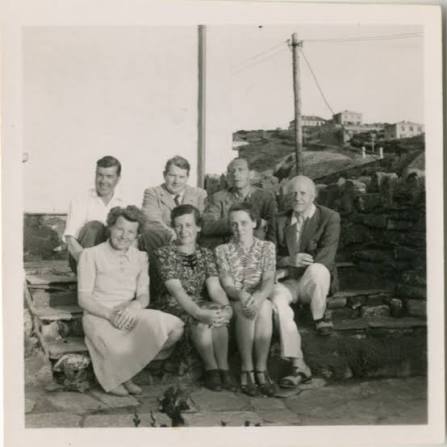
In 1939, Sir David Attenborough’s family took in two Jewish refugee sisters, Irene and Helga Bejach, who fled Nazi Germany on the Kindertransport and lived with them in Leicester for seven years.
During their seven years with the Attenboroughs, Irene and Helga lived in Leicester alongside David, his brothers Richard and John, and their parents, Mary and Frederick.
Lord Richard Attenborough movingly recalled this experience on the Parkinson show, explaining how his parents’ decision to adopt Irene and Helga deeply shaped his family’s lives and bonded them as true siblings.
After the war, Irene and Helga emigrated to the United States in 1946 to live with relatives, where they married and built successful lives while maintaining an unbroken, lifelong bond with their adopted brothers, David, Richard, and John Attenborough.
While their mother had passed away before the war and their father was tragically murdered at Auschwitz, their eldest sister, Jutta, survived in Germany, eventually joining Irene and Helga in New York City after they moved in with their aunt and uncle in 1946.
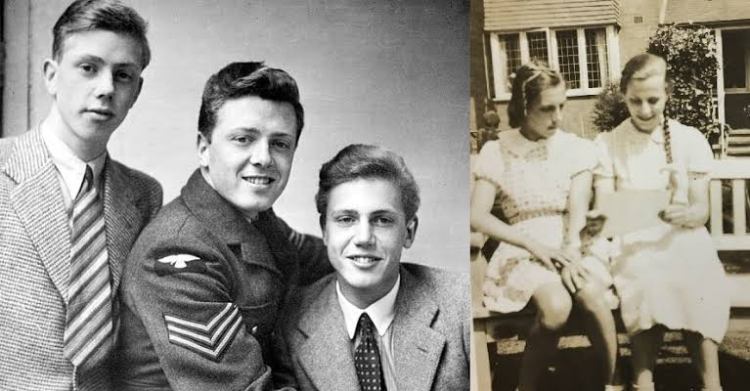
The Attenboroughs were, quite simply, profoundly good people whose quiet decency saved lives and left an enduring legacy of compassion.
While the Attenboroughs are celebrated as heroic sponsors rather than formal holders of the “Righteous Among the Nations” title—which is reserved for rescues within Nazi-occupied territory—their actions remain a towering example of human decency that reflects the lifelong warmth and integrity Sir David has always shown the world.
Sir David Attenborough and his family truly embody the essence of being a mensch, having performed a profound mitzvah by opening their hearts and home to save Jewish lives when the world was at its darkest.
Public comments and reflections from the Bejach sisters’ descendants often note with profound awe that their entire lineage wouldn’t exist without the Attenboroughs, while Sir David modestly redirects all praise to his parents’ unwavering humanitarian kindness.

