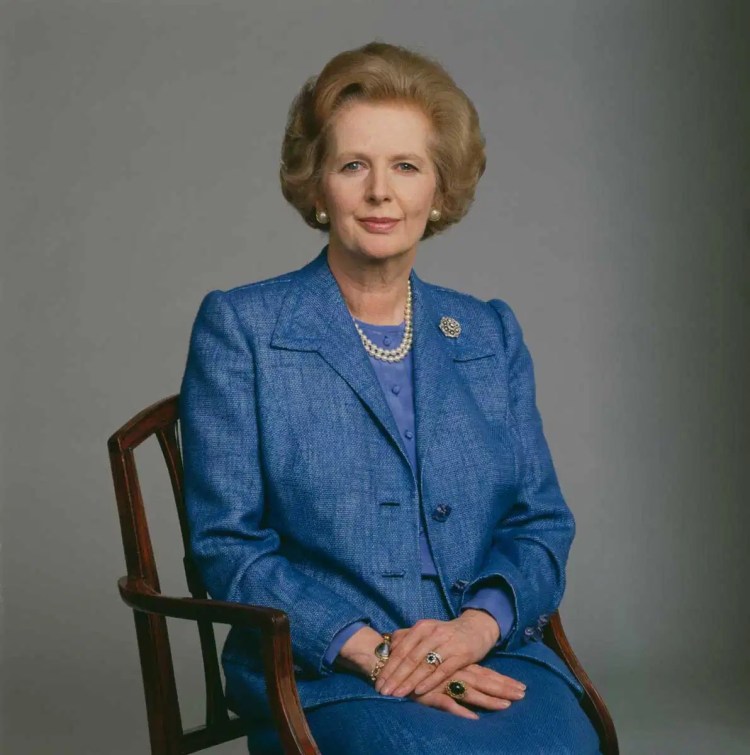
Margaret Thatcher’s political legacy remains deeply polarising today.
Margaret Thatcher’s uncompromising leadership style continues to be celebrated by supporters as a definitive benchmark of political strength and conviction, while critics view that same inflexibility as the driver of deep social and economic divisions.
Critics use terms like “balls up” to argue that Margaret Thatcher’s aggressive deindustrialisation, deregulation, and the introduction of the poll tax fractured British society and caused long-term economic damage that parts of the country have never recovered from.
Long-term economic data from independent research shows that former British industrial and coalfield communities still suffer from lower job densities, depressed average earnings, and high rates of disability benefit claims four decades after the Thatcher-era closures.
Margaret Thatcher is remembered by supporters as the leader who restored British wealth and international prestige through sheer conviction, a stark contrast to modern frustrations regarding economic stagnation and pressures on national infrastructure.
Critics argue that Margaret Thatcher’s radical privatisation of state assets like BP, rapid deindustrialisation of manufacturing sectors, and use of North Sea oil revenues for short-term tax cuts caused permanent structural damage to the British economy; they also note that her political survival relied on the patriotic surge of the Falklands War until her own party removed her in 1990.
While supporters point to major reforms like the expansion of workers’ rights, the nationalisation of railways, and the creation of Great British Energy, critics argue that the Labour government has delivered economic harm through business tax hikes, controversial cuts to the Winter Fuel Payment, and a failure to secure national borders.
This perspective reflects a deep and widespread cynicism toward politicians of all parties, pointing to Chancellor Gordon Brown’s infamous sale of over half the UK’s gold reserves between 1999 and 2002 as proof that leaders prioritise short-term political posturing over the long-term well-being of the working class.
This viewpoint reflects a clear political preference for John Major’s low-inflation economic record and the early stages of the Northern Ireland peace process, while maintaining that subsequent Labour prime ministers failed to deliver effective leadership for the country.
This perspective sums up the structural critique of modern Britain, arguing that Margaret Thatcher’s policies directly triggered the UK’s long-term decline by dismantling manufacturing, selling off state-owned industries, and creating a permanent affordable housing crisis through the Right to Buy scheme without replacing the sold stock.
This viewpoint reflects the core free-market argument that heavy state intervention, high taxation, and socialist policies inevitably stifle individual enterprise, drive economic decline, and ruin a nation’s financial stability.
People’s comments on British political history reveal a deeply polarised nation, split between those who praise free-market policies for unleashing wealth and economic enterprise and critics who argue that the privatisation of state assets and deindustrialisation permanently fractured working-class communities and public infrastructure.

