Despite spending her career caring for others as a nurse, 88-year-old Ann King suffered severe physical and verbal abuse from staff while living with dementia at a luxury Surrey care home—a tragedy exposed by her family’s hidden camera that sparked a national campaign for care sector reform.
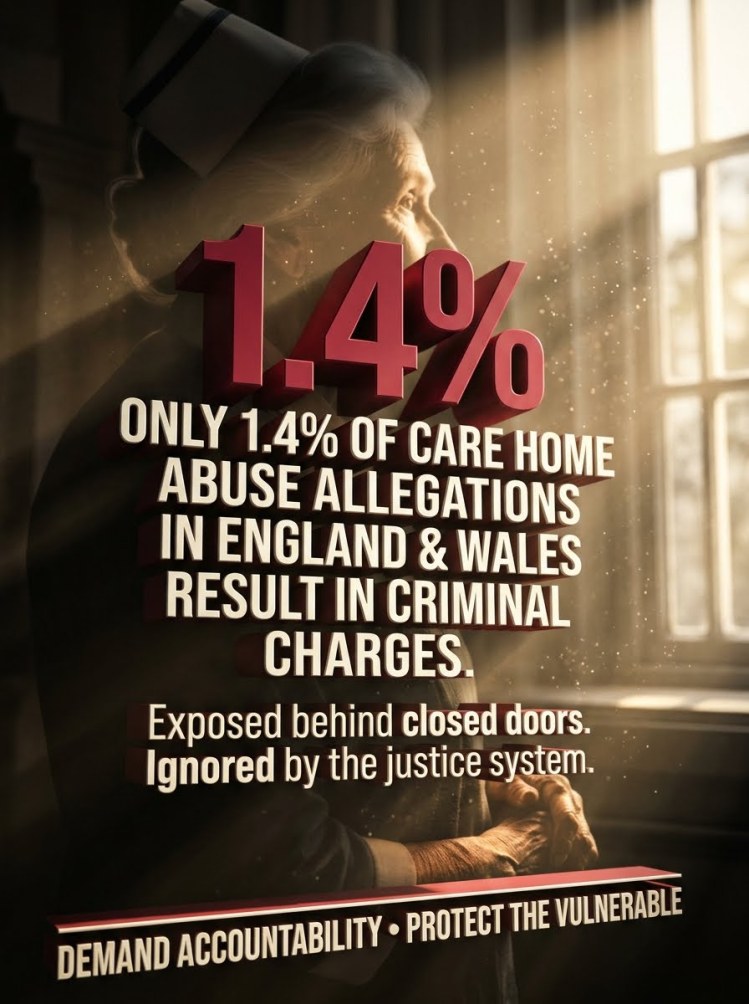
The deeply distressing footage sparked widespread outrage across the UK—not only for the cruelty inflicted on a vulnerable former nurse, but because no criminal charges followed, highlighting an investigation that found just 1.4% of care home abuse allegations in England and Wales result in charges.
Abuse and neglect in UK care homes persist due to a combination of chronic understaffing, severe worker burnout, inadequate dementia training, weak leadership, and a lack of strict professional regulation or criminal accountability.
People in caring roles can end up harming vulnerable residents when severe compassion fatigue and poor training lead them to dehumanise those in their care, especially within weakly supervised workplace cultures that leave power imbalances unchecked and normalise cruelty.
Unsuitable and abusive individuals can slip into care home roles because the sector lacks a mandatory professional register, relies on criminal record checks that cannot measure empathy, rushes hiring to cover severe staff shortages, and often gives unvetted ancillary staff daily access to vulnerable residents.
While Prime Minister Andy Burnham cites his own family’s experience with dementia in promising a National Care Service and stronger adult safeguarding, campaigners and opposition figures warn that his phased plans fail to address immediate staffing, funding, and safety crises in care homes.
While many UK care homes still offer safe support, public trust has been shattered as hidden cameras expose severe abuse within a strained sector struggling with chronic understaffing, weak oversight, and increasingly complex dementia care needs.
While systemic flaws explain how predators gain unsupervised access to vulnerable adults, nothing excuses the deliberate malice and cruelty seen in Ann King’s video, which is why campaigners demand criminal convictions and permanent bans rather than quiet dismissals.
Although UK law allows up to five years in prison for ill-treating vulnerable adults and treats targeting them as an aggravating factor, perpetrators rarely face the harshest penalties in practice because low charge rates and evidential hurdles often leave them with quiet dismissals or minor out-of-court resolutions instead of criminal convictions.
Deliberate abuse in care homes is plain bullying driven by a lack of empathy, short-sighted apathy toward their own future old age, and a belief they will not be caught—which is why campaigners are pushing for mandatory CCTV, tougher prosecutions, and a professional register so perpetrators cannot get away with it.

