Prince William might soon let Princess Charlotte and Prince Louis turn in their crowns for regular LinkedIn profiles.
According to royal author Tom Sykes’s upcoming book, Dukes of Hazard, William plans to treat royal titles less like a magical birthright and more like a corporate lanyard you have to hand back to HR if you stop showing up to ribbon-cuttings.
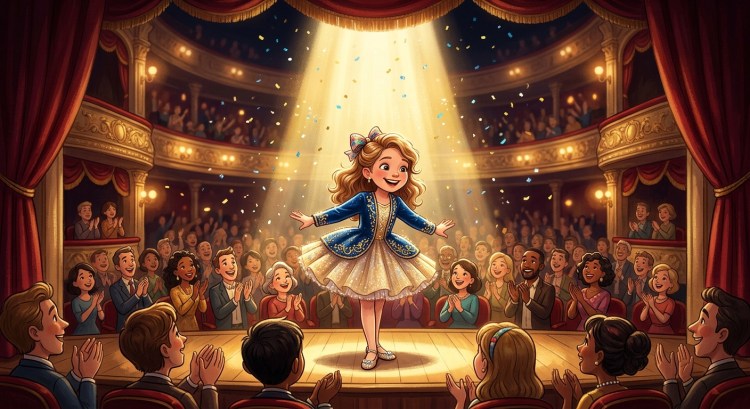
Once Charlotte (11) and Louis (8) hit adulthood, they can reportedly ditch their “His/Her Royal Highness” prefixes to become regular, tax-paying civilians. That means Charlotte is officially cleared to pursue her reported dreams of acting and singing without having to stop mid-audition to wave at a crowd from a balcony.
Under this “clock-in, clock-out” monarchy, royal perks—like subsidised palace housing and fancy titles—will strictly belong to full-time “working royals.” If you don’t do the diplomatic heavy lifting, you’re paying rent like the rest of us.
William is reportedly trying to avoid another “Spare” situation, ensuring his younger kids don’t grow up feeling like royal understudies who end up writing tell-all memoirs from California.
Meanwhile, Prince George (13) has zero say in the matter. As the direct heir, his career path is already locked in, meaning he’s stuck waving at crowds while his siblings get to actually enjoy their weekends.
Prince George always has the ultimate “I quit” button—though abdicating the British throne is significantly harder than cancelling a gym membership.
While Charlotte and Louis could theoretically just turn in their lanyards and walk out the door, a monarch actually stepping down requires a massive constitutional production.
You can’t just leave your crown on the desk and ghost the country. To abdicate, the UK Parliament—plus the parliaments of all the other Commonwealth realms—has to pass actual laws to let you leave. Imagine needing an act of Congress just to quit your day job.
If George ever pulls the ripcord before having kids of his own, the monarchy doesn’t just close up shop—the crown immediately drops onto Princess Charlotte’s head. One minute she’s auditioning for a West End musical, and the next she’s legally obligated to wave at strangers from a gold carriage.
The last time a British king quit—George’s great-great-great-uncle Edward VIII in 1936—it triggered a massive constitutional crisis and gave the royal family generational trauma they still bring up at Christmas dinner nearly a century later.
So while George technically has the option to walk away, the guilt trip from his entire family—and the UK government—would be visible from space.
According to recent reports in the Daily Mail, the 11-year-old has been casually outshining everyone in her prep school plays at Lambrook. Insiders say she’s a brilliant singer and actress who “belongs on the stage”—presumably because waving from a balcony just doesn’t offer the same creative range.
It is the ultimate royal career swap: Aunt Meghan traded Hollywood for a palace, and now Princess Charlotte wants to trade the palace for a shot at a Tony Award.
While the Meghan Markle parallel writes itself, Charlotte actually gets plenty of drama-kid DNA from her dad’s side of the family, too.
Elizabeth II’s Panto Era. Before she was Queen, a teenage Elizabeth starred in wartime pantomimes at Windsor Castle, proving that the royal family has been secretly yearning for jazz hands for decades.
King Charles, the College Comedian. At Cambridge, a young Charles performed in comedy sketches with the university drama group—meaning Charlotte might be the first Windsor to actually get paid for people laughing at her.
She’s already taking her research seriously, eyeing a secondary boarding school famous for performing arts and recently hitting London’s theatre district with Princess Catherine to scout Mary Poppins.
Honestly, transitioning to showbiz should be a breeze for her. Most actors have to grind for years to deal with ruthless critics, whereas Charlotte has been surviving the British tabloid press since she was two days old.

