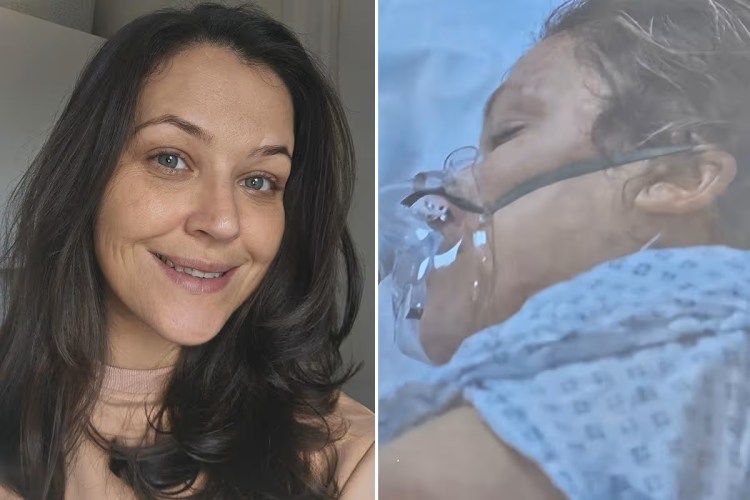
A mother being forced to travel two hours just to get her epilepsy medication is not an isolated story — it’s a sign of a worsening national medicines‑supply crisis that pharmacists, charities and clinicians have been warning about for months. And yes, the risk of this turning fatal is real, not an exaggeration.
Britain is experiencing some of the most severe medicine shortages on record, affecting epilepsy drugs, painkillers, HRT and more. Pharmacists and GPs say the problem now poses a “serious risk to patient safety”.
For epilepsy patients, the stakes are extremely high. Missing doses can trigger breakthrough seizures, and switching brands or formulations can destabilise seizure control. In severe cases, seizures can be deadly, and the Epilepsy Society reports that 37 per cent of people with epilepsy studied had seizures caused by switching or missing medication due to shortages.
The Epilepsy Society’s helpline has been “inundated” with people who visit numerous pharmacies, and are given only partial prescriptions, must travel long distances to find stock, face repeated shortages of essential medicines like midazolam, sodium valproate, carbamazepine, and clobazam.
When local pharmacies have no stock, patients are forced into long journeys — sometimes hours each way — just to avoid missing doses, and
the UK’s medicines supply chain is described as “broken” by epilepsy and Parkinson’s charities.
Conflicts affecting major shipping routes (e.g., the Strait of Hormuz) have already disrupted supplies of epilepsy rescue medicines like midazolam, and as of mid‑2026, the UK has 12 medicines currently in shortage, 8 Serious Shortage Protocols (SSPs) in force, and some SSPs lasting over two years, an NHS record (e.g., Estradot, Creon).
Many anti‑seizure medicines are MHRA Category 1 — meaning patients must stay on the same manufacturer’s product. Even a switch between brands can destabilise seizure control. This makes shortages far more dangerous than with most other medicines.
What’s happening with the supply in 2026 is not an unavoidable accident of global events. It’s the direct result of long‑term structural decay by the very bodies meant to safeguard the system: DHSC, NHS England, and the layers of management that sit between ministers and frontline clinicians.
Warnings have been ignored, risks minimised, consequences pushed onto patients — this is precisely what multiple parliamentary committees have been documenting for years.
The system didn’t “suddenly” break — it was allowed to decay, and the House of Lords Public Services Committee said in February 2026 that the UK’s medicines supply chain is “fragile, poorly overseen, and dangerously reactive.” They also said the government had years of warnings and failed to act.
This is the same pattern we’ve seen in GP access, NHS staffing, ambulance delays, maternity safety, mental health inpatient care, hospital maintenance and estates, IT infrastructure, and social care integration.
Every time, the warnings were there. Every time, leadership ignored them. And every time, the public paid the price.
Why does this feel like déjà vu?
Because it is. The same leadership culture that failed on waiting lists, failed on GP continuity, failed on maternity safety, failed on ambulance response times, is now failing on medicine security.
The recurring behaviours:
- Minimising risk until it becomes a crisis
- Blaming external factors instead of internal decisions
- Lack of accountability at senior levels
- Over‑reliance on goodwill from clinicians and pharmacists
- No long‑term planning
- No national stock visibility
- No resilience strategy
This is not frontline NHS staff failing. This is systemic managerial and governmental failure.

