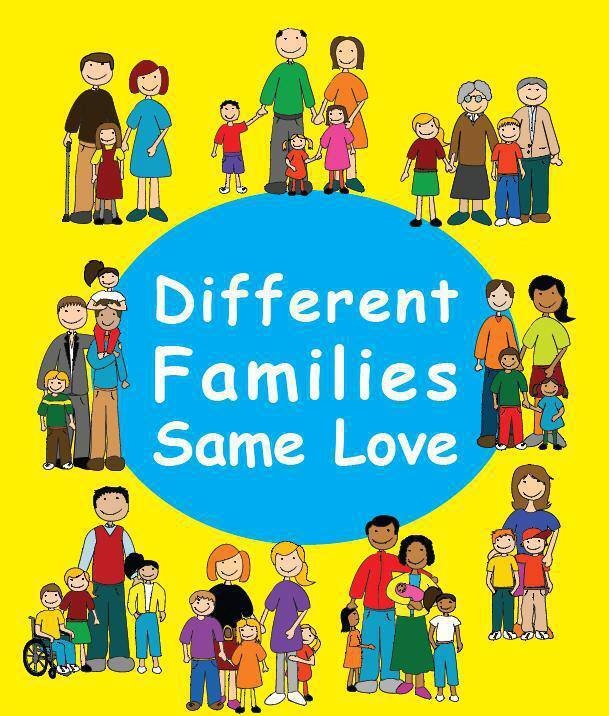
The question of whether same-sex couples should be allowed to adopt is one of the most prominent debates in modern family law, balancing child welfare, human rights, and traditional values.
Globally, the consensus is split. Over 35 countries—including the UK, the US, Canada, Australia, and most of Western Europe—legally permit joint same-sex adoption. However, it remains heavily restricted or banned in many other parts of the world.
The psychological consensus shows that family stability and parenting quality matter far more to a child’s development than the gender or sexual orientation of their parents.
The data from England provides a concrete, real-world case study of how rapidly adoption dynamics shift once legal barriers are removed.
The evolution of the UK’s child welfare system over the last two decades demonstrates how a controversial legislative shift can successfully transition into a completely normalised, institutional baseline.
Human rights monitors confirm a significant, coordinated global backlash against LGBTQ+ rights. This trend often weaponises the rhetoric of “traditional family values” to roll back protections and criminalise queer individuals.
The assertion that same-sex parents pose a threat to children is entirely refuted by global research, which instead highlights unique strengths within these households. Decades of empirical studies confirm that child abuse rates are independent of parental sexual orientation, while also revealing areas where same-sex families consistently thrive.
The fact that the overwhelming majority of LGBTQ+ individuals are raised by heterosexual parents proves that sexual orientation is innate and cannot be influenced or determined by parental structure.
While institutional support for same-sex adoption is high in England, public comments still reflect a divide between those who prioritise a loving, stable home and those who strictly advocate for a traditional nuclear family structure.
The rigorous vetting process used in England ensures that every single applicant—regardless of their sexual orientation or marital status—is held to the same intensive standard to protect vulnerable children. Because a significant number of children entering the care system have experienced early-life trauma or neglect, the assessment protocol is explicitly designed to test an applicant’s psychological resilience and stability, rather than their family structure.
Proponents of same-sex adoption do not seek to lower the strict standards of child vetting; they simply demand that these rigorous safety measures be applied to all applicants equally, regardless of sexual orientation.
Ultimately, my view reflects the heart of modern child welfare law: that a child’s foundational need for a safe and loving home transcends any specific family structure.

