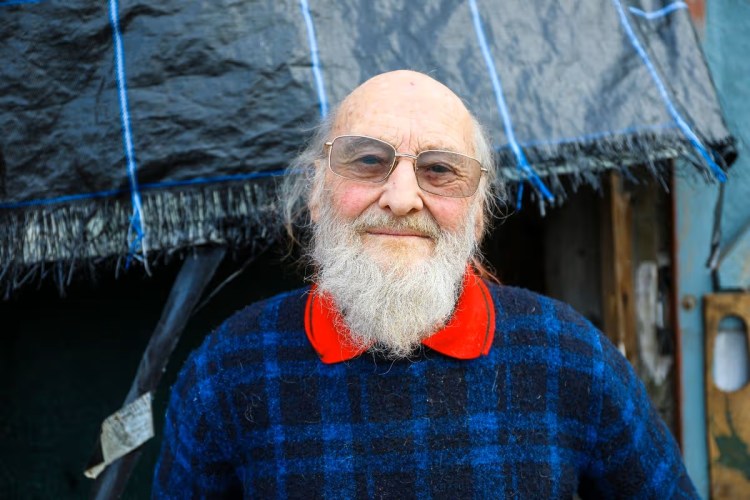
Philip Antony Bevington, an 80-year-old former farmer from Cornwall, UK, was arrested for growing cannabis in his garage to make oil to treat his Stage 3 kidney failure.
The criminalisation of an 80-year-old man for growing a plant-based medicine to treat his terminal illness highlights why many people believe current UK drug laws are deeply outdated.
Despite explaining to police that the cannabis was purely for medicinal use, the 80-year-old was caught twice in two months and ultimately given a two-year conditional discharge by a judge who acknowledged the plants were grown solely to alleviate his severe pain.
The court heard that officers originally visited the 80-year-old’s home in November 2019 to investigate a “strong smell of cannabis,” leading to the discovery of his garage growing operation.
The 80-year-old openly showed officers a sophisticated hydroponic setup in his garage housing 30 cannabis plants, complete with a ventilation system, ceiling-hung lamps, and plastic-lined walls.
The court was told the garage setup could yield three crops a year, with an estimated street value of £12,600 to £37,800.
Just two months later, in January 2020, the same police officers returned to the property and discovered that the 80-year-old had restarted his operation with 44 new cannabis plants.
Judge Simon Carr acknowledged that Bevington grew the cannabis solely for personal use to alleviate pain from a debilitating condition and mobility issues that left him housebound.
Many advocates and legal experts argue that current UK drug laws need urgent reform to protect chronically ill patients who are left in immense pain and forced into illegal home cultivation.
While the UK government has technically legalised medical cannabis for severe pain, strict NHS guidelines mean patients must either pay for expensive private prescriptions or risk criminalisation by growing their own.
In the UK, anyone with a diagnosed chronic condition can get a medical cannabis prescription through a licensed private clinic if they have already tried two conventional treatments that failed.
You can legally get medical cannabis on the NHS, but prescriptions are extremely rare and strictly limited to severe epilepsy, multiple sclerosis spasms, or chemotherapy-induced nausea after all other treatments have failed.
While cannabis has a very low risk of fatal overdose, it carries distinct risks of mental health issues like anxiety and psychosis, can cause dependency, and harms the lungs if smoked.
Many patient advocates point out this exact paradox, noting that NHS doctors routinely prescribe highly addictive opioids like co-codamol for chronic pain while heavily restricting access to cannabis, a plant-based alternative with a far lower risk of fatal overdose.
Although prescription medications are carefully designed to treat illnesses and alleviate pain, they often carry significant health risks and side effects because their active ingredients interact with complex biological systems throughout the entire body rather than just the target area.
This frustrating reality is known as a cascade of side effects, where a primary medication alters broader body systems and inadvertently triggers entirely new, secondary illnesses that the patient never previously suffered from.
While a prescribing cascade naturally generates ongoing revenue for pharmaceutical companies, medical researchers attribute these cycles to the immense difficulty of designing drugs without complex biological side effects rather than an intentional corporate scheme.
Public comments on cases like Tony Bevington’s overwhelmingly condemn the perceived cruelty of criminalising a terminally ill elderly person, with many demanding the immediate legal recognition of medical necessity for home-growing.

