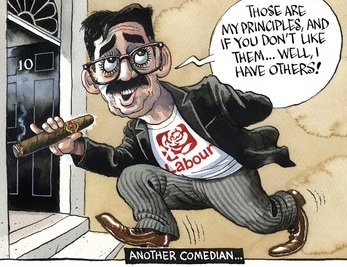
The absolute vibe of Andy Burnham promising to overthrow 40 years of neoliberalism vs. his actual battle with Thames Water is giving major “promising to fight a bear but getting trapped in a revolving door” energy.
If you’re wondering how the man who vowed to dismantle the entire global corporate consensus is currently getting outmanoeuvred by a bunch of American hedge funds and a giant pool of London sewage, here is how the comedy of errors breaks down.
Burnham entered office promising to banish the corporate overlords. His first major move? Paying the Boston Consulting Group hundreds of thousands of pounds to help him figure out how to banish them. Nothing says “death to capitalism” quite like hiring a Big Three consulting firm.
Thames Water is the final boss of privatisation. It is a £17 billion debt monster wrapped in a leaking pipe. Burnham wants to seize it for the people, but the hedge funds have pointed out that if he takes the pipes, he also takes the £17 billion bill. Suddenly, nationalisation looks less like a glorious socialist revolution and more like inheriting a cursed estate from a distant relative.
Activists are shouting that letting US creditors take over is a massive surrender. Meanwhile, the government is staring at the Treasury’s empty wallet, realising that the only thing worse than corporate greed is having to tell the British public that their tax money is being used to buy an infrastructure network that is currently 70% wet wipes and good intentions.
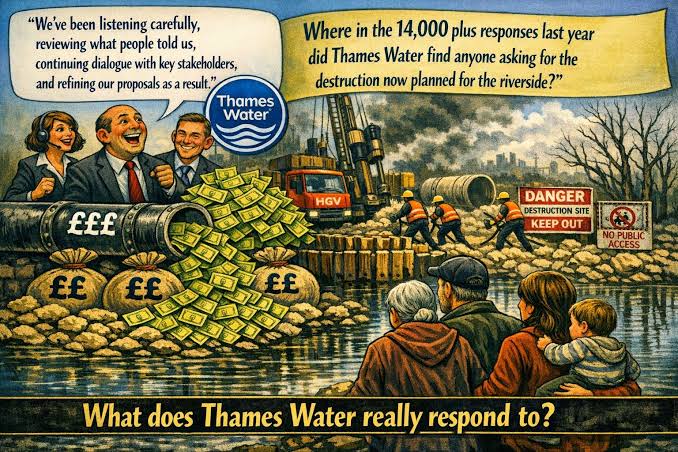
Instead of a dramatic Marxist coup, Burnham’s grand plan to end neoliberalism is currently moving at the speed of a regional rail replacement bus.
Instead of just taking the company over, the government is introducing legislation to repeal the ban on public ownership. It’s the political equivalent of writing a strongly worded email, saving it in drafts, and scheduling it for next Tuesday.
Supporters call his approach a pragmatic, regional rethink of state power. Critics call it “neoliberalism with a flat cap and a slightly warmer accent.”
Ending a 40-year global economic ideology turns out to be incredibly difficult when you are legally and financially contractually obligated to the people who invented it. But hey, at least the consultations are being managed by top-tier corporate advisors!

