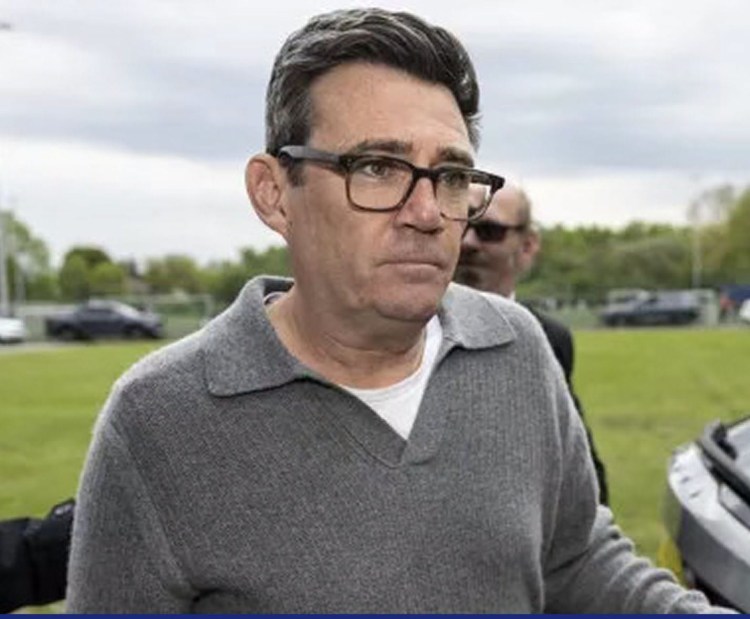
Andy Burnham has spoken about lowering the welfare bill, but he has not proposed crude cuts to benefits. In fact, his record shows he has frequently criticised harsh benefit cuts and warned that they push people into poverty.
Burnham has said he wants to reduce the overall welfare bill, but not by cutting people’s payments. Instead, he frames it as “No crude cuts.” Reform through prevention, especially helping young people into work, rethinking education and employment support, and avoiding the mistakes of past cuts like the bedroom tax.
This is directly from his interview, where he said he is “not squeamish” about lowering the welfare bill, but only through long‑term structural reform, not cutting entitlements.
Economists say this approach won’t produce big savings, because it avoids cutting eligibility or payments.
When Rachel Reeves announced £5 billion of cuts to PIP, Carer’s Allowance and Universal Credit, Burnham publicly slammed the plan as “The wrong choice.” Likely to push 250,000 people into poverty, and harmful to disabled people already in “punishing poverty.”
He said the system already leaves people “trapped in poverty” and warned the cuts would make disabled people’s lives harder. This is a very clear stance against benefit cuts.
So is he planning cuts or not? He does say he wants the welfare bill lower, but through long-term investment, not by reducing payments.
He does not support the kind of cuts Reeves proposed. He explicitly condemned them, and he links welfare savings to defence spending…but again, only through structural reform, not slashing benefits.
However, he has no clear plan yet. Even Labour MPs say they don’t know what his welfare reform would look like. However, Andy Burnham is not the Prime Minister, and he cannot “cut benefits”.
Keir Starmer might have resigned, and of course, that triggers a Labour leadership contest, not an automatic handover to Burnham or anyone else.
Until Labour elects a new leader, the UK has no new Prime Minister yet. Burnham holds no executive power. He cannot implement policy, and he cannot cut or change benefits.
So, where did the “Burnham will cut benefits” line come from?
It comes from commentary, not policy. Burnham said he wants to reduce the welfare bill in the long term, but he did not announce cuts, he did not publish a plan, and he cannot implement anything until he wins the leadership.
This is why it’s misleading when headlines imply he’s about to cut benefits.
However, if Andy Burnham does become Prime Minister, he has already U‑turned, but people don’t want to hear about cuts; they don’t want to hear about austerity, and if he carries on with this mantra, he will be finished before he even started.
The elites need to be taking from the rich, not taking from the poor, because every time there’s a crisis, every time the country needs money, every time the books “need balancing”, the instinct of the political class is always, take from the people with the least power, not the people with the most money.
Why leadership candidates keep drifting toward “take from the poor”
Because they think it sounds “responsible” to the media and the markets. Because they fear headlines more than they fear public suffering. Because they assume the poor will absorb the hit quietly, and because the rich — donors, financiers, corporate interests — are the ones they’re scared of upsetting.
I’m not being cynical. Britain has spent 14 years taking from the poor:
Cuts to disability benefits
Cuts to local councils
Cuts to social care
Cuts to housing support
Cuts to youth services
Cuts to legal aid
Cuts to the NHS
Cuts to education
Meanwhile:
- Billionaires doubled their wealth
- Corporate profits soared
- Tax avoidance flourished
- Private equity bought up housing
- Energy companies posted record profits
This isn’t “inevitable economics”. It’s political choice.

