“Tell Me I’m Too Ugly — I’ll Give You Front‑Row Seats.”

Thousands of strangers told her she was too ugly to be seen. They said she should be banned from posting pictures of her own face online.

So she made a decision that turned their cruelty completely on its head.

She would post a picture of her face. Every single day. For anyone who didn’t want to look.

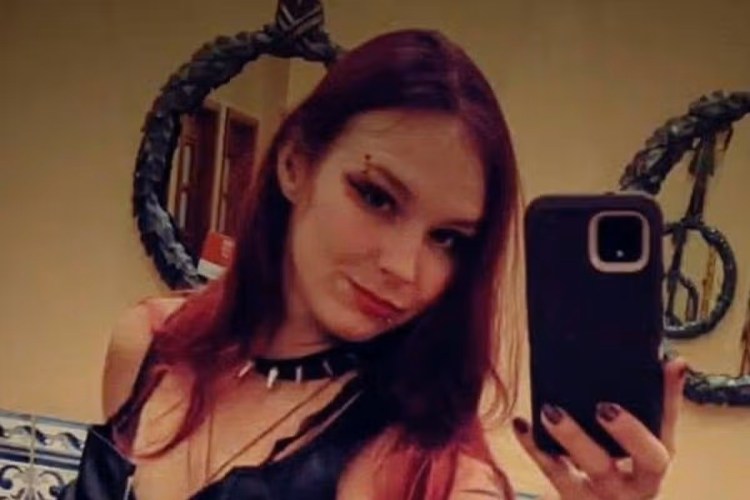
Her name is Melissa Blake, a writer and disability activist from DeKalb, Illinois. In August of 2019, she published an opinion piece for CNN. It was the sort of thing writers do all the time — she made an argument, put it out into the world, and waited for the response.

The response, when it came, had virtually nothing to do with her argument.

Instead, thousands of online commenters went after the one thing that had nothing to do with what she’d written: her appearance. Melissa was born with Freeman-Sheldon syndrome, a rare genetic disorder that affects the bones and muscles, including those of the face, hands, and feet, and gives her a unique appearance. She has lived with it her entire life and has undergone more than twenty-six surgeries on her knees, hands, hips, and spine.

The commenters seized on how she looked. They called her nasty names. They mocked her face. And then came the comment that, as Melissa later said, she just couldn’t shake — someone said that she was so ugly she should be banned from posting photos of herself at all.

Think about the sheer meanness of that. Not “I disagree with you.” Not even a plain insult. But a demand that she make herself invisible — that a disabled woman had no right to let the world see her face.

For a lot of people, that would have been the moment to log off, to go silent, to let the mob win and vanish for a while. And no one would have blamed her.

Melissa did the opposite.

“I’m just the type of person,” she later explained, “where if you tell me not to do something, I’m going to do just the opposite.”

In September of 2019, she posted three photographs of herself — three selfies, looking straight into the camera — with a message aimed squarely at the people trying to shame her into hiding. She said, in effect: you told me I was too ugly to post pictures of myself, so I’d like to commemorate the occasion with these three selfies.

It was defiance, plain and gorgeous. And the internet, which had just been so mean to her, unexpectedly swung the other way. The post went viral. It was shared and praised by people all over the world, who saw in it precisely what it was: a woman refusing to let strangers determine whether she was allowed to exist in public.

But here’s the part that turned a viral moment into something lasting. Melissa didn’t stop at three.

She kept going. She started posting a selfie of herself every single day — a quiet, daily act of showing up, of taking up space, of being visible on her own terms. What started as a single act of defiance stretched on. A week. A month. And finally, a full year of daily selfies, each one a small refusal to vanish.

And something happened to Melissa along the way. The project she’d started to spite the trolls started to transform her from the inside. “With each selfie,” she said, “I felt more comfortable in my own body and discovered a freedom I’d never really felt before as a disabled woman.” The very act she’d been told to be ashamed of became the thing that set her free.

Then it grew beyond her completely.

Melissa created a hashtag, #MyBestSelfie, and invited other people to do what she was doing — to post their own pictures and celebrate precisely who they were. And they came. Disabled people from all over began joining her, sharing their own faces and their own stories, claiming their own space in a world that too frequently looks away from them.

What had started as one woman’s response to her own bullies had become a movement. Melissa said as much herself: the project had grown bigger than her. It had become a way for disabled people to reclaim their own narratives, to demand to be seen, and — in her words — to “take up space” in a society that so often pushes them to the margins.

That phrase is worth sitting with. Take up space. Because that is exactly what the mean comments had been trying to deny her: the right to occupy a little bit of the visible world, to be looked at, to be present, to matter. The entire point of “you’re too ugly, you should be banned from posting” is to make a person shrink, and disappear, and take up less room.

And Melissa Blake’s answer to all of it was to take up more.

Here’s what makes her response so powerful, and it’s worth being straightforward about. It wasn’t powerful because she rose above the cruelty and pretended it didn’t hurt. She’s been open that some of those words cut enormously — the one she couldn’t shake stayed with her. It was powerful for a different reason: because she looked at a mass of outsiders who had appointed themselves the judges of whether her face belonged in public, and she calmly, stubbornly, daily, refused to let them be the judge of that.

They wanted her to hide. She showed her face instead — and then gave that same fearlessness to numerous other people who’d been made to feel they should hide, too.

The trolls, in the end, gave Melissa Blake the one thing they least intended to: a platform, a movement, and a freedom she says she’d never quite felt before. They told her to disappear. She became more visible than ever.

Real attractiveness isn’t built in the mirror; it’s built in the marrow.

It’s the way someone carries themselves after being knocked flat. It’s the courage to show up anyway. It’s the spark in a person’s voice when they talk about something they love. It’s kindness that isn’t performative, humour that isn’t cruel, and confidence that isn’t borrowed from filters or strangers’ approval.

It’s the stuff trolls can’t touch.

The people who tore into Melissa weren’t Elizabeth Taylor or Robert Redford. They weren’t icons of beauty, grace, or charisma. They were just ordinary, wounded people lashing out from places they refused to look at. Their cruelty wasn’t about Melissa’s face; it was about their own reflection — the one they couldn’t bear to confront.

Melissa, on the other hand, had something they didn’t: an inner beauty that didn’t depend on symmetry, filters, or strangers’ approval. She had courage. She had self-respect. She had the kind of resilience that makes a person glow from the inside out.

Melissa coming in like Tigger isn’t just cute; it’s symbolic. Tigger doesn’t tiptoe. He doesn’t ask permission to exist. He doesn’t shrink because someone else is uncomfortable with his joy. He boings in — full-hearted, full-volume, full-self — and that’s what Melissa did after all that cruelty.

Courage, grit, and just enough snark to make the whole thing sting in the right direction. The kind of snark that isn’t petty, isn’t cruel, but is pure, righteous backbone. The kind that says:

“Up yours, naysayers — I’m not going anywhere.”

Melissa didn’t fight them with venom. She fought them with visibility. With joy. With that Tigger‑bounce — the kind of entrance that makes bullies look even smaller than they already are.

Their cruelty came from a hollow place. Her response came from a whole one.

Women have spent decades being told they’re too much of one thing and not enough of another. Too fat, too thin, too loud, too quiet, too bold, too meek — basically too human for a world that insists on judging them like produce at a market stall. It emotionally crippled so many. It carved deep wounds that some never fully healed.

So when Melissa stands up, shows her face, and refuses to be shamed into silence? That’s not just confidence — that’s public service. That’s social repair work. That’s her saying:

“I’m not here to be graded. I’m here to exist.”

And the best part? The “self‑voted judges” — the ones who appointed themselves as beauty police — don’t get to look away. They don’t get to hide behind anonymity and cruelty. They get front‑row seats to every single photo she posts.

I hope she pulls the most gloriously disturbing faces imaginable. The kind that make the trolls choke on their own nastiness. The kind that say:

“You don’t get to decide how I show up.”

Most people fold under that kind of pressure, and understandably so. But Melissa didn’t. She took the negativity, wrung it out, and turned it into something that actually helps people.

That’s rare. That’s powerful. And that’s beautiful in a way no troll could ever understand.
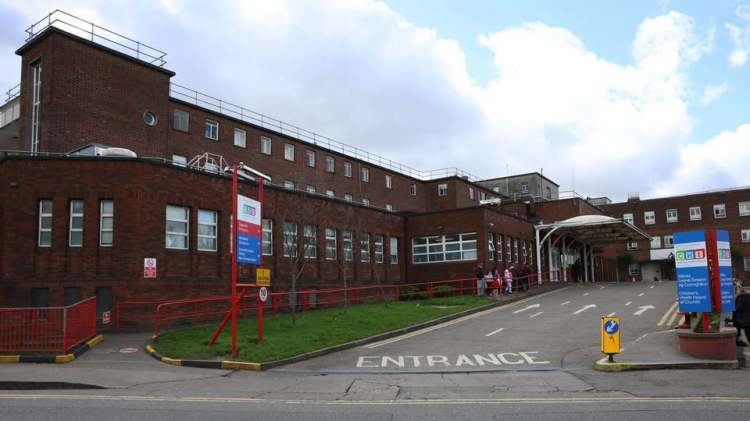
Glue‑Gate: Because Even A Tiny Cut Can Turn Into A Full‑Blown Drama

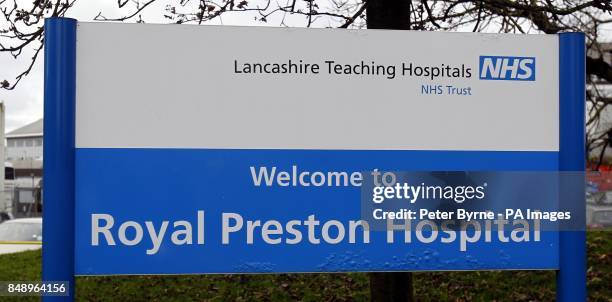
Four-year-old Saoirse Feeney had to be rushed to a second hospital after a doctor accidentally glued her eyelids shut.

Saoirse was initially taken to A&E by her mum after hitting her head on a wooden table at home, leaving her with a gash above her eye.

Her mum, who is a paediatric nurse, had applied butterfly stitches to control the bleeding before taking her in.

When doctors at Crumlin Hospital in Dublin tried to treat the cut using adhesive, “copious glue use” resulted in the glue spilling straight into the young girl’s left eye.

Her eyelids were left totally glued shut, sparking fears about possible long-term damage to her eyesight.

The four-year-old was rushed to Temple Street Children’s Hospital so specialists could separate her eyelids.

Treating the injury required four separate rounds of irrigation using three litres of fluid to wash away the adhesive.

Barrister Anita Finucane told the court that “the irrigation procedure was an extremely distressing event.”

The chemical process and irrigation caused some of the young girl’s bottom eyelashes to fall out and turned others inward, causing further pain.

She was also left with a considerable amount of glue stuck to her eyebrows and needed antibiotic eye drops four times a day for six weeks.

Her family took legal action against Children’s Health Ireland over the August 2022 incident.

An Irish court has now agreed a €15,000 (£12,000) settlement for the family.

Judge Sinead Ní Chúlachain noted that Saoirse was fortunate to avoid permanent eye damage, stating the payout sat at the top end of guidance for transient eye injuries.

Glue anywhere near a child’s eye is a high‑risk manoeuvre, and this case is exactly the sort of nightmare scenario clinicians dread.

If steristrips won’t hold, it’s usually because the wound edges are under tension, the location is awkward, or the child can’t keep still. And if that’s the situation, then glue is rarely the safer upgrade — it’s just a faster one. Suturing is fiddly, yes, but it’s controlled. Glue is fast, but it’s also unforgiving.

Seems like the NHS is now offering free eyelid welding. Imagine going in for a cut and coming out like a budget action figure whose eyes don’t open.

That doctor must’ve been using Gorilla Glue because that stuff bonds your soul. Someone needs to take his Pritt Stick privileges away.

Glue near a kid’s eye? Bold strategy. Next time, maybe try not turning the child into a human eyelid origami project.

Woman, 32, ‘Cut Up Ribs’

A woman has been accused of killing her dad and carving out his heart.

Serena Dolnics, 32, has been charged with murder after police say they found her covered in blood near her father’s corpse in Valparaiso, Indiana. Cops allegedly responded to a 911 call made by relatives of 69-year-old Gregory Dolnics after they became concerned about his well-being on Sunday evening, with the police dispatcher reportedly being told someone had seen Desiree ‘covered in blood’ at the home.

Arriving at the property, cops say that they found the property locked, but noticed a body lying on the ground surrounded by dried blood. Forcing entry, they discovered that the corpse belonged to Gregory, who had allegedly suffered slash wounds to the head, face, neck and hands, while his heart had been cut out from his body, as per local news outlet NWI.

According to a postmortem, all of these injuries had been executed with knives, including incisions made to the ribs to allow the removal of the heart.

Dolnics, who was discovered at the property covered in blood, was arrested and taken into custody after being treated at the hospital due to injuries to her hands.

According to court documents, Dolnics claimed she suffered the cuts to her hands while gardening, although cops maintain that these injuries were consistent with a knife slipping through.

She told detectives that she and her father “get along really well” despite having the occasional “small tiff” that they would quickly move past. She also insisted she had not seen Gregory injured.

Court records show Dolnics has a record of drug and drink-driving offences. She pleaded guilty to having methamphetamine in Jasper County in 2024, and has prior convictions for operating while drunk in Porter County in 2017 and 2014. She was also convicted of public intoxication in neighbouring LaPorte County in 2016.

Dolnics made an initial court appearance on Thursday (July 30), where she wore a blue suicide-prevention smock and reportedly spoke hesitantly via a video chat link.

She has reportedly pleaded not guilty, although she is not yet thought to have arranged an attorney, and when questioned in court about this, she said: “I’ll figure it out.”

A further hearing has been scheduled for August 11.

The very idea of a daughter killing a parent where excessive brutality was involved is beyond comprehension.

This is excessive overkill, and she must have been extremely mentally ill, and she will certainly need detention in a secure psychiatric hospital.

Perhaps her attorney will declare an insanity defence, although at present she doesn’t have an attorney, which indicates she has no guilt or she has no understanding that what she did was wrong.

Cases like this leave a kind of hollow ache because you can see all the points where something should have happened earlier, and yet it didn’t. And when someone is spiralling into severe mental illness, the gap between what should happen and what actually happens can be devastating.

When someone is becoming extremely mentally unwell, the warning signs are usually subtle, sporadic, dismissed as stress or “odd behaviour”, concealed from family, not enough to trigger emergency services, and misunderstood by professionals. And unless the person is already known to mental health services, the system tends to respond only after a crisis, not before.

This is sad because it’s not one life lost. It’s two. One through death, and one through the collapse of their mind, and the sadness comes from knowing that, with earlier intervention, both lives might have been saved.

Isaac Arrowsmith, 19, Died After Multiple Missed Chances For Lifesaving Treatment

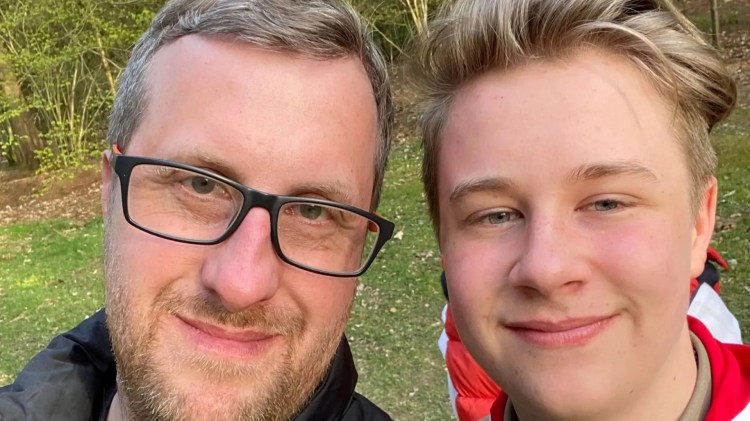
Isaac Arrowsmith was diagnosed with Haemoglobin Rainier disease, a rare inherited blood disorder that raises the risk of blood clots, at the age of 18.

On December 19, 2025, Isaac, 19, developed chest pain and breathlessness and started coughing up blood.

He was diagnosed with pneumonia at Macclesfield District General Hospital and was discharged with antibiotics.

No vital test was done to rule out a pulmonary embolism – when a blood clot blocks blood flow to part of the lungs. It can be life-threatening if not treated quickly.

On 31 December Isaac saw his GP who felt that a chest infection did not completely explain his symptoms, particularly given his medical condition, and referred him for additional tests.

Before these could be undertaken, Isaac returned to A&E that same day, coughing up a larger quantity of blood.

But he was told he would be put under a respiratory virtual ward – designed to deliver hospital-level care at home within 48 hours – rather than being admitted.

Later that evening, he returned to hospital coughing up more blood.

Mum Louise, a 52-year-old manager, said that after waiting around 20 hours without being seen, Isaac went home on January 1 believing he would be followed up through the virtual ward.

On January 2, however, he collapsed at home and died from a pulmonary embolus, deep vein thrombosis and Haemoglobin Rainier disease.

An inquest later found that his death was preventable, concluding he was never referred to the virtual ward team.

In her conclusion, coroner Victoria Davies said: “No referral was made to the virtual ward team that day and, had it been, it would not have been accepted, and Isaac would have been admitted to hospital.”

Writing in a Prevention of Future Deaths report, she also said: “Had Isaac been admitted to hospital on December 31, he would have been in hospital at the time of his deterioration on 2 January and would have been successfully resuscitated. 

“The lack of referral to the virtual ward team and misunderstanding as to suitability for the team caused or contributed to Isaac’s death.

“There was a lack of weight given to Isaac’s underlying haematological condition and the linked risk of a clot and, as such, a lack of appropriate consideration of a blood clot.”

Recalling Isaac’s devastating ordeal, dad Neil, a 45-year-old tutor, said: “I think his death would have been easier to accept if there was nothing anyone could have done.

“Now it’s hard not to get angry – Isaac should still be here with us today, and he isn’t because of mistakes in his care.”

After Isaac’s diagnosis of Haemoglobin Rainier disease, he received treatment at The Christie NHS Foundation Trust, involving regular blood tests and venesection.

Mum Louise said that when Isaac first went to A&E via ambulance on December 19, and she told staff about his condition, she was “shocked” to discover not all A&E staff could access patient files.

“We put our trust in the doctors and thought the antibiotics needed to kick in,” dad Neil said.

He added that Isaac’s condition was “up and down” over Christmas, which the family spent together despite Neil and Louise being divorced.

On December 31, after attending A&E again at Macclesfield District General Hospital, he was again diagnosed with pneumonia, but a doctor ordered further respiratory investigations before he was told he would receive support from the respiratory virtual ward team within 48 hours.

On the morning of January 2, Isaac was still breathless but told Louise he “felt OK” before she went to work.

Later that day, he called her, struggling to breathe, and she sent Neil, who lived five minutes away, to check on him.

Neil said Isaac was “pale” and “confused” when he arrived, so he called 999 and tried to calm his son by encouraging him to take deep breaths.

“He suddenly lunged back and was gasping for air,” he said.

“I got him into the recovery position on the sofa and rang 999 again.

“He’s not breathing, and I’m in hysterics at that point, and they talked me through CPR over the phone.”

Paramedics tried to resuscitate Isaac but were unsuccessful, and he died at 3.57 pm.

Neil then called Louise, and they told Isaac’s younger siblings, Luke, now 18, and Naomi, now 15, that “their big brother isn’t coming back”.

The inquest at Cheshire Coroner’s Court concluded on May 20 after hearings beginning in January.

Louise and Neil expected to hear that “nothing more could have been done”, having already received a letter from East Cheshire NHS Trust after an internal investigation said as much.

However, after the inquest heard that the lack of referral to the respiratory virtual ward team caused or contributed to his death, Neil said: “It was a bombshell moment”.

He added: “It was as if they didn’t even really understand what a virtual ward was themselves… or how to follow their own process.”

“There were clear signs of pulmonary embolism, and they just disregarded it; it was horrendous.”

In the Prevention of Future Deaths report, the coroner also raised concerns that similar deaths could happen unless action is taken.

Neil and Louise said they did not receive a formal apology from the hospital or East Cheshire NHS Trust at the time.

Louise said: “They won’t take any accountability. I’d be concerned for anyone seen by the doctor who didn’t make the referral – in my opinion, they are not fit to practise.”

Louise and Neil have reported the case to the Care Quality Commission.

They have since got back together, and say they are taking life “day by day”.

Neil said: “We realised we needed each other. Louise is the only other person who knows what I’m going through and feeling, and vice versa.

“We’re also fundraising for the Scouts because Isaac went for years, and it made him the man he was.”

To date, their JustGiving page has raised more than £3,700.

Dr John Hunter, chief medical officer at East Cheshire NHS Trust, said: “We would like to offer our sincerest apologies to Isaac’s family and friends. He did not receive the high level of care he should have had from us, and for this we are truly sorry.

“Following the coroner’s review of the evidence, and the issuing of a Prevention of Future Deaths report after Isaac’s tragic death, we have considered the findings fully and undertaken a detailed review of the areas where we fell short in Isaac’s care.

“As a result, we’ve strengthened our educational programme within the trust to support clinicians in recognising how and why a misdiagnosis may happen.

“In addition to this, we’ve also increased clinical awareness of thrombotic risk factors and the importance of early recognition and escalation.

“We’ve also undertaken a review of our electronic patient record system, the findings from which will help support clinical decision-making in identifying and managing patients with an increased risk of venous thromboembolism.

“And we’ve also carried out a thorough review of how we conduct multidisciplinary reviews within the trust, and an action plan has been drawn up to address the issues identified by the coroner.”

A spokesperson from the Care Quality Commission said: “We are aware of this very sad case and have had contact from Isaac’s family. We offer them our condolences.

“We are following up with the trust to seek further information and are reviewing their response to the coroner’s Prevention of Future Deaths report to determine whether there’s a need for further action on our part.”

The family are receiving support from medical law specialists Enable Law regarding their legal options and any further investigations.

Mike Bird, a partner and their solicitor at Enable Law, said: “It’s agonising to read Isaac’s story.

“The coroner’s inquest was incredibly important, because without that, the family would have been misled into believing that Isaac’s death was an unavoidable tragedy.

“I desperately hope the changes the trust says it has implemented actually have a lasting impact on the NHS front line. We are in Isaac’s family’s corner.”

The phrase “NHS heroes” feels painfully hollow when preventable deaths like Isaac’s show a system so overstretched that heroism has become a substitute for basic safe care.

A young man died because errors kept stacking up, yet no one is held responsible for the failures that cost him his life, and the NHS feels beyond investigation, a system where failures pile up faster than anyone is ever held to account.

Outrage is everywhere — people saying the NHS has become a system where preventable deaths happen and nobody answers for them.

People are raging, saying sorry doesn’t fix a system where mistakes pile up, investigations go nowhere, and responsibility simply evaporates, and people are furious, saying it’s unbelievable that in 2026 the NHS still doesn’t have a central system where every hospital can access a patient’s full medical history, and that lives are being lost because basic information isn’t shared.

This has to stop NOW — people are dying while hospitals treat it like a box‑ticking exercise to “learn lessons”, shutting the barn door long after the horse has bolted.

Contagious Concern, Urgent Return

Officers say they are increasingly concerned for the 51-year-old’s safety and welfare.

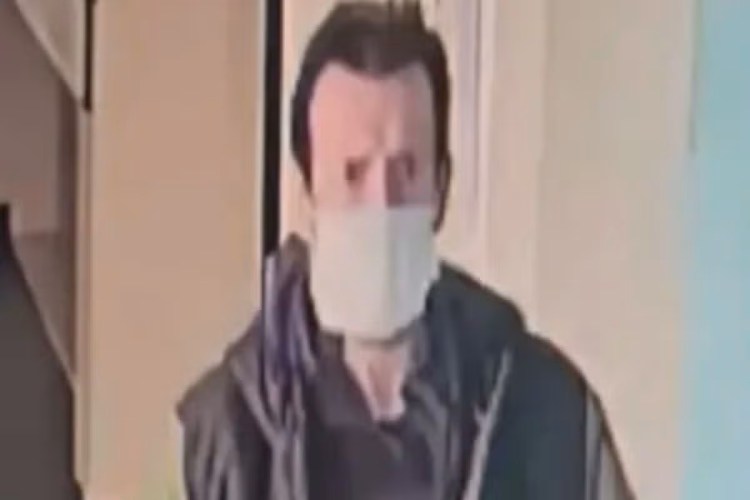
Dean, who also goes by Tim and Anthony Gledhill, has strong connections to Preston, Penwortham and Blackpool.

He is described as slim, 5ft 4in, with black hair and blue eyes.

He was wearing a khaki green and black jacket, a Lyle and Scott jumper, black trainers, and a blue surgical face mask.

Members of the public are warned not to approach Dean if they spot him, as cops believe he could have a communicable condition.

A spokesperson for the force said: “If you do see Dean, it’s really important that you get in touch with us on 999 as soon as you can, so that we can make sure he is safe.”

The wording was so vague that it screams that there might be more to this than we’re being told, but the emergency is simple: he’s ill, possibly infectious, and clearly needs urgent medical help.

The disease has not been named because legally the police cannot name it, or the infection may not have been confirmed, so basically the man left before a complete assessment had been done.

And how was he allowed to leave the hospital? Well, because hospitals can’t legally stop you, unless you’re sectioned or under a rare public-health order, which clearly this man was not.

This man goes by several different aliases; perhaps not an upstanding citizen, but the names were given out so that he could be recognised by the public.

Coat in a heatwave? Bless him — that’s not Patient Zero, that’s someone whose internal thermostat has clearly gone on strike.

Danger to the public? Only if he hugs you and you melt from the coat‑induced humidity.

The hospital rang the police because he’s unwell and wandered off — the ‘real reason’ isn’t a thriller plot, it’s just NHS staff going ‘oh for heaven’s sake, he’s gone again’.

When a patient leaves hospital unexpectedly, clinicians classify them as medically vulnerable because untreated illness, dehydration, infection, or confusion can rapidly worsen without supervision.

Behaviour such as wearing a heavy coat in hot weather suggests impaired thermoregulation or cognitive disturbance, indicating the patient may not fully understand their surroundings or the risks they face.

Leaving mid‑assessment interrupts diagnostic processes and delays essential treatment, increasing the likelihood of deterioration. In this context, the patient is considered unable to reliably maintain their own safety due to disorientation, wandering, or impaired judgement, which is why hospitals escalate to police for urgent location and retrieval.

When Antisemitism Rises, Society Is In Danger

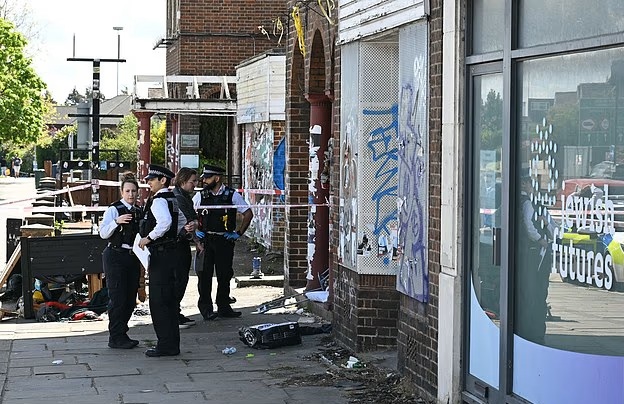
Britain has indeed recorded the sharpest rise in antisemitic incidents among major Jewish diaspora countries, and the data paints a deeply troubling picture of how anti‑Jewish attitudes are becoming more widespread. The warning comes from the J7 Large Communities’ Task Force Against Antisemitism, whose latest report shows the UK standing out for the wrong reasons.

The Jewish community is facing a serious and escalating threat.

The UK has suffered from the largest increase in antisemitic incidents out of all major countries in the Jewish diaspora outside Israel.

Antisemitism in the UK will remain a serious concern in the near future, but its trajectory will depend heavily on political decisions, community resilience, law enforcement, and how global conflicts evolve. It is not guaranteed to keep rising — but it will not disappear on its own.

The Jewish community can only keep itself safe by combining strong security measures, close cooperation with authorities, and vigilant community awareness.

The police are actively increasing patrols, strengthening hate‑crime units, and working closely with Jewish security organisations to protect the community, but it will only be enough if police action is matched by strong community security, rapid reporting, and firm political leadership.

The Prime Minister is apparently increasing security funding, expanding police protection for Jewish sites, and working with community organisations to tackle antisemitism.

The current rise in antisemitism in the UK is dangerous and unacceptable, but it is not equivalent to the Nazis. It could get worse if society ignores the warning signs, but it will not become like the Nazis unless the state itself turns against Jewish people — and there is no evidence of that happening in the UK.

It has become so bad because global conflicts, online radicalisation, political polarisation, and social tensions have all combined to fuel a surge in antisemitic attitudes and behaviour.

People who commit antisemitic crimes should be punished firmly.

This kind of behaviour is not acceptable because hate, intimidation, and violence against any community undermine the safety and values of the entire country.

It must be confronted because unchecked hate always grows, spreads, and harms innocent people — and stopping it early protects both the targeted community and the wider society.

It feels like the Ku Klux Klan has come out in force because extremist behaviour has become louder and more visible, even though it is not the same as an organised, state‑backed terror group.

It feels like our once‑tolerant country has become divided and unrecognisable because social tensions, global conflicts, and amplified extremist voices have made people feel like strangers to one another.

Rapid change, rising tension, and louder extremist voices have created fear and division — but not because whole groups of people are inherently responsible.

It feels like antisemitism is at the heart of the government because leaders have been slow, hesitant, or unclear in confronting rising hate — but there is no evidence that the UK government itself is driven by antisemitic ideology.

We can see the visible tension among young people, and weekly demonstrations which make division look normalised, even though most of society does not actually approve or celebrate hate, but the loudest fringe voices on the Far Left have become aggressive and intolerant, creating an atmosphere that looks hypocritical and hostile — even though the comparison to 1930s Germany is emotional rather than literal.

History shows that ordinary people are often caught between louder, more extreme forces, and Jewish communities in the UK have long lived peacefully alongside their neighbours, separate from the actions of any government or fringe group.

Extremists hijack group identities because claiming to represent an entire community gives them artificial power, visibility, and legitimacy — even though most people in that group reject their behaviour completely, and ordinary people get caught in extremist narratives because those narratives offer simple answers, emotional belonging, and a sense of protection at moments when life feels uncertain or overwhelming.

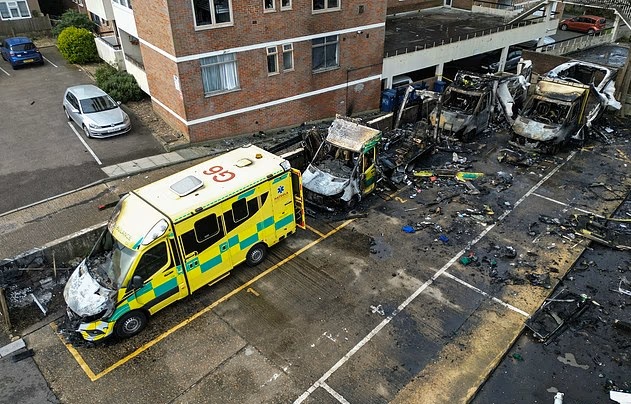
King Charles Charges NHS Hospital £11M To Park Ambulances On His Land

King Charles, peering out of a palace window, spotting a lonely ambulance parked on Duchy land:

“Good heavens, Camilla — that’s prime real estate. Fetch the ledger. We must invoice the NHS immediately.”

It’s the kind of story that feels like it should be narrated by Miriam Margolyes in full mischief mode, tutting and muttering, “Eleven million quid… for parking. Bloody hell.”

Oh for God’s sake— ELEVEN MILLION QUID to park a few ambulances? I mean honestly, you couldn’t make it up. It’s the sort of thing that would have me choking on my porridge.

“Ooh yes, Your Majesty, terribly sorry — we’ll just pop the ambulances round the back of your warehouse. Would you like us to pay in instalments or shall we just hand over the NHS?”

I can just picture Miriam now, hands on hips, eyebrows doing the tango:

“It’s obscene! Absolutely bloody obscene! The NHS can’t afford plasters, but apparently it can afford royal parking fees. What’s next — charging nurses congestion tax for walking past Buckingham Palace?!”

“I don’t care if it’s ‘commercial rent’ — it’s still daylight robbery. If I were in charge, I’d tell him to shove his warehouse and let the ambulances park in the palace courtyard. Plenty of room — they’re not using it for anything except waving at tourists!”

Then she’d finish with that classic Margolyes flourish — a mixture of fury, affection, and utter disbelief:

“I love the man, but honestly… Eleven million quid for parking? Bugger off.”

Because honestly… “Like he doesn’t have enough money already” is exactly the sort of thing she’d bark while adjusting her cardigan and preparing to verbally incinerate someone on live television.

Oh for heaven’s sake — he’s not short of a bob or two, is he? The man’s got palaces coming out of his ears, jewels the size of satsumas, and enough land to host a music festival every weekend until the end of time.

And yet — YET — somehow we’ve arrived at the point where the NHS, bless its overstretched cotton socks, is handing over rent money like it’s paying for a studio flat in bloody Shoreditch.

“He’s got more money than God! And still he’s charging the NHS rent? What’s he going to do next — invoice the public for waving at him?!”

If I had that kind of wealth, I’d be throwing warehouses at the NHS. ‘Take it! Have two! Have ten! Park the ambulances in the ballroom if you like!’ But no — apparently we’re running a royal branch of Foxtons now.

Honestly, it’s greed dressed up as tradition. And I’m sick of it. Give the NHS the bloody warehouse and stop faffing about.

How do they have BILLIONS in land — literal castles, darling — and still rent out houses that look like they’ve been marinated in damp since 1974? You can’t call yourself a Royal Estate if the estate looks like it’s auditioning for Benefits Street.

If I lived in one of those houses, I’d demand a coronation of my own — Queen of the Mould Spores — because clearly nobody else is ruling the place!

Honestly, if the Royals want to be landlords, fine — but at least try not to run properties that look like they’ve been condemned by the ghost of Prince Albert. Fix the bloody roof! Scrub the fungus! Stop pretending you’re running Downton Abbey when it’s actually Downton Scabby.

They Own NOTHING! Not Even the Curtains!

Don’t get me started — the Royals strutting about like they’re Jeff Bezos with a crown! They don’t OWN anything!

They’re basically long‑term Airbnb guests with better hats.

All that land? State. All those palaces? State. All those jewels? State. The only thing they truly own is a pair of socks and maybe a biscuit tin.

They’re living in houses they didn’t buy, on land they didn’t earn, funded by money they didn’t generate. It’s like the world’s poshest squatting arrangement.

And ANY money made from that land should go back to the country — not into some private royal piggy bank! What are they saving for? A rainy day?

You’ve got the Duchies making millions from farms, shops, warehouses, parking spaces — PARKING SPACES. Meanwhile the tenants are living in houses with mould that looks like it’s trying to claim the throne!

If the Royals want private income, they can get a job like the rest of us. Put Charles on a till at Tesco. Stick William on Deliveroo. Let Camilla run a charity shop. At least then they’d OWN something — a payslip!

King Charles And The Government: One Waves, One Wobbles

King Charles, the first monarch in British history to watch a supposed “invasion” unfold with all the urgency of a man waiting for his gardener to finish the roses, armed only with a cup of Darjeeling and the constitutional inability to actually do anything.

Expecting King Charles to stop illegal immigration is like expecting him to leap off the balcony at Buckingham Palace, cape fluttering, shouting “Not on my watch!” while single‑handedly paddling out to the Channel in a golden canoe — delightful mental image, absolutely not in the job description.

King Charles has so little real power that if illegal immigration were a leaking tap, he wouldn’t even be allowed to tighten the washer — he’d just stand there politely, nodding, while the government rummages around for the instruction manual.

The government could stop illegal immigration, but first they’d have to stop arguing, stop resigning, stop reshuffling, stop blaming each other, stop holding emergency press conferences about how they’re “taking decisive action,” and maybe — just maybe — actually do something more useful than waving binoculars at the Channel like they’re bird‑watching.

Will the UK Prime Minister stop small‑boat crossings? Well, that depends — is the PM planning to zip‑line into the Channel wearing a hi‑vis vest, waving a clipboard, and shouting “NO MORE BOATS!” like a very confused lifeguard? Because short of that, it’s mostly meetings, memos, and dramatic press conferences where someone says “We’re taking bold action” while absolutely nothing bold happens.

As for King Charles, he’s about as much use in stopping illegal immigration as a chocolate teapot during a heatwave — looks lovely on the table, melts instantly when things get serious, and absolutely no one is making a brew with it.

King Charles having more say in what goes on in the UK would be like handing the TV remote to the family cat — adorable idea, but the moment he presses anything, the whole system panics, the screen goes black, and someone shouts “WHO LET HIM TOUCH THAT?”

If King Charles has no say in what goes on in the UK, what’s the point of having a Royal Family? Well, honestly, they’re like the nation’s very fancy mantelpiece ornaments — they don’t run the house, they don’t fix the boiler, and they definitely don’t handle immigration policy, but if you took them away, the place would look bare, and everyone’s nan would riot.

The Royal Family are basically Britain’s emotional support figurines — comforting, decorative, and occasionally waved at during state occasions like limited‑edition collectables. They’re the only people who can cut a ribbon and somehow make the entire nation stop what it’s doing, as if scissors have never been used before. Buckingham Palace is basically Disneyland for people who prefer corgis to Mickey Mouse, and the royals themselves are like posh sofa cushions: nobody actually uses them, but if you removed them, the whole room would look wrong.

Flexibility Without Security Isn’t Fairness

Zero‑hour contracts offer flexibility, but they also create instability. Whether they’re fair depends entirely on how they’re used — and how much power the worker has compared to the employer.

A zero‑hour contract is a type of employment agreement where the employer doesn’t guarantee any minimum number of hours. You’re technically an employee or worker, but you’re only paid for the hours you’re offered and choose to work.

They’re common in:

  • Hospitality
  • Retail
  • Social care
  • NHS bank staff
  • Seasonal or event‑based work

People who support zero‑hour contracts usually point to:

  • Flexibility — useful for students, carers, or people who want to pick up shifts around other commitments.
  • Extra income — some use them as a second job or a way to top up earnings.
  • Entry into work — they can be a stepping stone into permanent roles.
  • Choice — in theory, you can decline shifts without penalty.

Critics focus on the risks:

  • Income insecurity — you can’t predict your wages week to week.
  • Power imbalance — some workers fear losing future shifts if they decline one.
  • Difficulty planning life — childcare, rent, bills, and travel become harder to manage.
  • Underemployment — you may want full‑time hours but never get them.
  • Stress and burnout — constantly waiting for shifts or juggling unpredictable schedules.

The UK context (especially relevant for you in Southampton)

Zero‑hour contracts are legal in the UK, but:

  • You cannot be forced to accept shifts.
  • You must receive statutory holiday pay.
  • You should not be penalised for turning down work.
  • You can work elsewhere unless your contract unfairly restricts it (exclusivity clauses are banned).

Despite this, enforcement is patchy, and many workers feel pressured to accept whatever hours they’re given.

So… are they “good” or “bad”?

It depends on the worker’s situation:

  • For someone who wants freedom, they can be brilliant.
  • For someone who needs stable income, they can be punishing.
  • For someone in a hot kitchen, A&E, or care work — the kind of environments you know well — unpredictability can be exhausting and unfair.

The real issue is how employers use them. A zero‑hour contract used ethically can be empowering. Used exploitatively, it’s precarious.

Zero-hour contracts can seriously affect mental health, especially when the work is unpredictable, physically demanding, or emotionally intense — like the hot kitchen shifts, A&E work, and care‑related environments you’ve lived through. The instability isn’t just financial; it gets into your head, your sleep, your stress levels, and your sense of control over your own life.

The biggest mental‑health impact comes from uncertainty. Humans cope better with bad news than with no news — and zero‑hour contracts often mean living in limbo.

Zero-hour contracts can destabilise family life, especially in households where caring responsibilities, health needs, and shift‑based work already create pressure. When hours change week to week, the whole family ends up living around uncertainty — and that uncertainty becomes its own kind of stress.

Zero‑hour contracts don’t just affect the worker. They affect everyone who depends on the worker’s time, income, and stability.

Zero‑hour workers have legal protections, holiday pay, the right to refuse shifts, and protection from unfair treatment. However, employers often rely on people not knowing this.

And zero‑hour contracts don’t just create unstable hours — they create unstable lives.

Debate Beats Silence — Every time

“I am not intolerant… I am only intolerant of intolerance.”

Do we spend too much time attempting to silence people… instead of debating them?

It’s a question Rowan Atkinson asked over a decade ago, and it’s one that still divides opinion today.

Rowan Atkinson’s point still strikes a nerve because it exposes a fundamental tension in modern public life — the conflict between protecting people from harm and protecting the freedom to argue, disagree, and even be wrong.

More than a decade later, we’re still wrestling with where that line should be drawn.

“I am only intolerant of intolerance” — sits in a lengthy tradition of thinking about free expression. It echoes the paradox of tolerance: a society that wants to remain open must sometimes push back against those who want to shut it down.

But the real debate is about how we push back.

Do we debate people, or do we silence them?

Open debate tests ideas in public, social consequences enforce community boundaries, and legal limits step in only when speech crosses into genuine harm.

Speaking in 2012, he warned about what he called “The New Intolerance”. Not intolerance itself, but the growing belief that views we disagree with should simply be shut down rather than challenged.

He said:

“I am not intolerant… I am only intolerant of intolerance.”

At first, he said, that sounds perfectly reasonable.

But he argued that if you think about it for a moment, it simply replaces one form of intolerance with another.

It doesn’t represent any progress at all — just a shift in how we police speech rather than how we engage with it.

Rowan wasn’t arguing that every opinion is right, or that offensive ideas deserve applause.

His point was something different: in a free society, bad ideas are often better exposed by being challenged openly than by being silenced altogether.

More than a decade later, debates about free speech, cancel culture and where the line should be are still making headlines.

Whether you agree with Rowan Atkinson or totally disagree, his words have continued to spark discussions years after he said them.

Do you think he’s right… or has the world changed too much since 2012?

Whether he’s right depends on perspective, but the world has changed so profoundly since 2012 that his warning now lands in a completely different landscape.

The landscape is one where social media amplifies every voice, public judgement moves at lightning speed, and the power to silence or elevate ideas now sits with online crowds rather than institutions.

Create your own website, free on WordPress.com.Create your own website.
Start free