Martha’s Rule: Speak Up, Save Lives

By March 2028, NHS England will expand Martha’s Rule to all hospital A&E departments and waiting rooms, giving patients and families 24/7 access to an independent, rapid clinical review if they feel a patient’s condition is worsening and their concerns are being ignored.

Under the newly expanded initiative, patients, families, and NHS staff in all emergency departments can call a dedicated phone number 24/7 to trigger an urgent, independent review if they feel a patient’s deteriorating condition is being ignored.

By March 2028, NHS England will fully expand Martha’s Rule to all hospital A&Es and waiting rooms, enabling patients, families, and staff to call a dedicated phone line for an urgent clinical review if they feel a patient’s deteriorating condition is being overlooked.

Building on thousands of potentially life-saving calls across adult and children’s wards, successful early testing has proven that Martha’s Rule works effectively in busy A&Es, paving the way for its nationwide expansion to all emergency departments and waiting rooms by March 2028.

Supported by Health and Social Care Minister Baroness Merron as a vital way to ensure patients and families are heard, Martha’s Rule will expand to all hospital A&Es and waiting rooms by March 2028, building on successful ward testing to give families a direct lifeline when raising concerns about deteriorating care.

By expanding Martha’s Rule to all hospital A&Es and waiting rooms by March 2028, the NHS will provide a vital lifeline and another way for patients, families, and staff to speak up so that concerns about a deteriorating patient are acted on quickly.

As part of wider efforts to put patient safety at the heart of the NHS, Martha’s Rule—which has already reached 221 acute adult and paediatric inpatient sites ahead of full ward rollout by 2027—will expand to all hospital A&Es and waiting rooms by March 2028, providing a vital lifeline for families and staff to ensure concerns about a deteriorating patient are acted on quickly.

While many argue that this life-saving safety measure should be introduced immediately rather than delayed, the NHS is using a phased rollout until March 2028 to ensure all hospitals can properly train staff, set up dedicated 24/7 phone lines, and establish independent clinical teams capable of responding to emergency escalations without failing.

While the policy is a good idea in theory, deep scepticism remains over whether overstretched hospitals can realistically deploy dedicated review teams when patients are already struggling just to get a bed in packed waiting rooms.

Ultimately, despite the promising intent of Martha’s Rule, there is widespread doubt that the NHS will ever successfully deliver these dedicated teams given the chronic, everyday struggles of overcrowded emergency departments.

Many believe the lengthy two-year timeline is intentionally designed so that the public will completely forget about the promised safety scheme by the time the 2028 deadline arrives, and sceptics argue that the initiative will ultimately result in unanswered phones ringing out, allowing the government to rely on semantic loopholes to avoid accountability for a failed safety net.

Delays Cost Lives

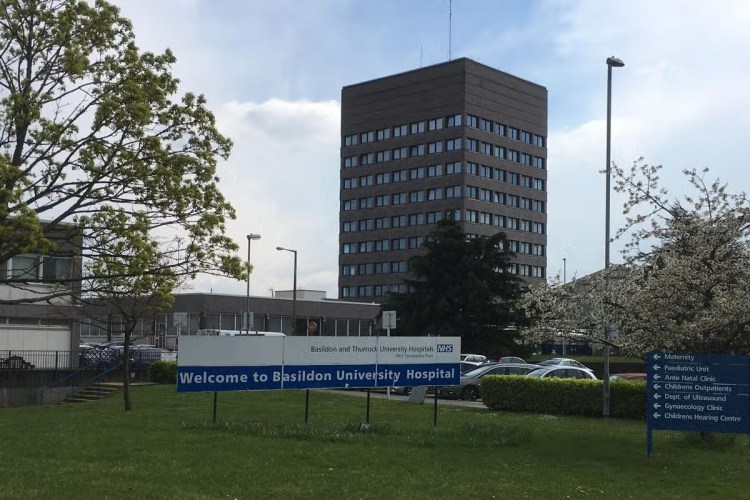
A 19-year-old trainee teacher, Millie Hook, probably would have survived a severe illness had she received appropriate medical care at Basildon Hospital, an Essex coroner has ruled in a critical Prevention of Future Deaths report.

Assistant Coroner Stephen Simblet warned that the emergency triage systems at Basildon Hospital are “inadequate,” noting that Millie Hook suffered a fatal cardiac arrest while waiting for critical care despite paramedics initially flagging her severe condition.

After suffering a rapid deterioration at home with severe vomiting, diarrhoea, and fainting, ambulance crews immediately recognised that Millie Hook was seriously unwell and rushed her to Basildon Hospital.

Although paramedics explicitly warned hospital staff that Millie was suffering from a suspected serious case of sepsis, critical admission delays caused her to deteriorate rapidly, according to the coroner’s report.

Even after her admission, Millie was never transferred to the critical care unit despite her rapid deterioration, as hospital staff failed to monitor her blood measurements promptly or insert a catheter due to a total lack of urgency or appreciation of her condition.

In his report, Coroner Stephen Simblet stated that Millie Hook was inadequately monitored and her measurements poorly recorded throughout her hospital stay, concluding that staff completely failed to appreciate the severity and continuous worsening of her illness.

Despite an emergency department doctor identifying that Millie needed to be moved, a departmental conflict over intensive care criteria caused a serious failure to transfer her either immediately or within an hour of her arrival, depriving her of necessary medical treatment.

The coroner explicitly concluded that had Millie received this appropriate and necessary medical treatment, she would, on the balance of probabilities, have survived.

At 1:45 am on 28 January 2024, Millie Hook tragically died in the hospital’s resuscitation area after a cardiac arrest at 12:45 am proved fatal, leading the inquest to conclude that her death by natural causes was directly contributed to by neglect.

Coroner Stephen Simblet warned that future deaths could occur unless action is taken, citing concerns that Basildon Hospital’s emergency systems are “inadequate” and that critical cases are “not being appropriately escalated to senior clinicians in a timely manner”.

The coroner explicitly extended his warnings beyond a single hospital, stating that the inadequate standard of clinical expertise was a trust-wide issue affecting not only Basildon Hospital but also Broomfield Hospital in Chelmsford and Southend Hospital.

The coroner raised a severe trust-wide safety concern, stating that some long-term consultants at the trust lack appropriate registration standards, meaning doctors in departments treating critically ill patients fail to meet the required NHS criteria for holding and maintaining employment in those vital positions.

The Mid and South Essex NHS Trust strongly rebutted the concerns, counter-arguing that it exclusively appoints suitably qualified doctors with specialist registration to permanent consultant roles, only utilising temporary locum cover without specialist registration during vacancy gaps or leave, in full compliance with national guidelines.

The trust detailed that one of the critical care consultants involved in Millie’s care was a competitively appointed locum consultant in intensive care medicine who holds multiple advanced qualifications, including both European and UK Fellowship credentials in intensive care medicine.

The trust emphasised that locum consultants not on the specialist register undergo the same annual appraisal process as substantive consultants, providing full assurance to the trust’s responsible officer and the General Medical Council (GMC) that they remain up to date and fit to practise.

The trust clarified that locum consultants receive the same training, development funding, and professional activity time as substantive consultants, with annual job plans agreed alongside their clinical director to strictly define their scope of practice in line with their specific skills and qualifications.

The trust confirmed that detailed reviews of the emergency department’s skill mix following the incident have led to funded staffing increases for both medical and nursing workforces, strengthening the team’s clinical capacity at Basildon Hospital.

This expansion has introduced two additional senior doctor posts, alongside a significant increase of 27 registered nurses and 22 healthcare assistants—allowing for five nurses and four healthcare assistants per shift—with recruitment currently underway and temporary staff successfully filling the gaps in the interim.

To address clinical ownership and safety, the trust has introduced a revised, emergency-department-specific policy focused on the safe management of patients, clear definitions of clinical ownership, and appropriate escalation routes.

But what you have to ask yourself is this. How many of these doctors are being properly vetted by the British Medical Council?

The critical distinction raised by the coroner in Millie Hook’s case is not whether the doctors are vetted to practice medicine entirely, but rather which specific register they sit on and whether they hold the exact qualifications for a permanent consultant post.

The General Medical Council (GMC) is currently vetting 341 doctors for outstanding pandemic-era identity checks while actively investigating 26 cases of potential foreign misconduct.

Following an investigation by The Times, the General Medical Council discovered that 22 foreign-trained doctors with a history of overseas bans or disciplinary action had bypassed vetting to practice in the UK.

Hospitals are not bypassing legal background checks, but they use legal loopholes—such as fixed-term locum contracts and Foundation Trust autonomy exemptions—to place fully vetted doctors into senior consultant roles without requiring them to hold a spot on the GMC Specialist Register.

While individual frontline NHS staff are highly trained and trustworthy, the overstretched healthcare system faces severe structural crises, meaning patient safety can be compromised by systemic understaffing, waiting times, and administrative failures.

Independent health reviews conclude that while the foundational NHS model excels at providing universal financial protection, the current healthcare system is not fit for purpose due to severe structural crises, missing critical safety targets, and requiring radical reform to prevent avoidable deaths.

Ruined By Headlines, Redeemed By Truth

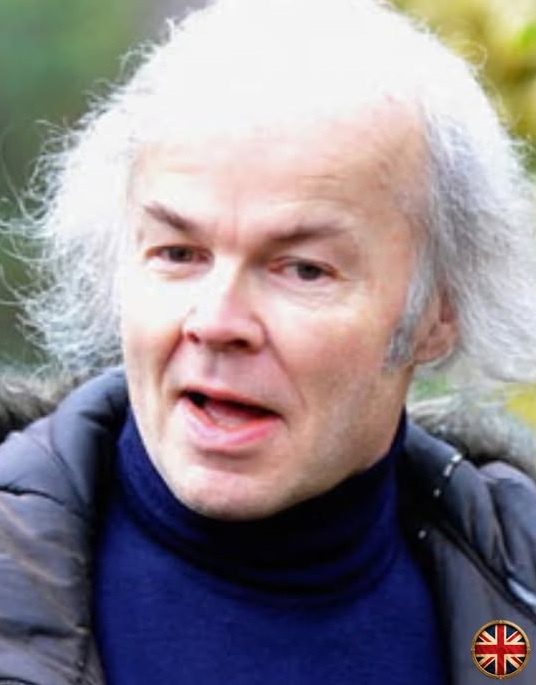
A retired schoolteacher was arrested for a murder he did not commit. Within days, he had been turned into a national villain by newspapers that had never met him. It took less than a month for the police to release him, and years for anyone to admit what had actually been done to him.

His name was Christopher Jefferies, a 65-year-old former English teacher and deputy head at Clifton College in Bristol, by then long retired and living quietly as a landlord in a large converted house divided into flats.

He had done nothing, but he would spend the following weeks finding out what that counted for.

Newspapers ran highly sensationalised stories before the police laid any formal charges. Journalists weaponised his eccentric appearance by mocking his unconventional white hair in print.

Articles branded him as strange, lewd, sinister, and a lonely outsider.

Tabloids highlighted his obsession with the Victorian poet Christina Rossetti to make him look dangerous.

Reporters hunted down former pupils and old acquaintances to dig up negative quotes.

Christopher Jefferies ambled into the spotlight at the Leveson Inquiry to give strong evidence under oath. He described his ordeal as a “frenzied campaign to blacken his character” by the tabloid press, and he criticised the national media for shamelessly condemning him through an assortment of smears, insinuations, and total fantasy.

After being released without charge into a ruined life, Christopher Jefferies was forced into hiding under an assumed name because weeks of toxic tabloid coverage had convinced a suspicious public he was a guilty man who had beaten the system.

The true innocence of Christopher Jefferies was final and indisputable when Vincent Tabak, a 32-year-old Dutch architectural engineer living in the same building, was arrested on 20 January 2011 and subsequently sentenced to life in prison that October after forensic teams matched his DNA to the crime scene.

Christopher Jefferies powerfully transformed his personal trauma into systemic change by delivering crucial testimony at the landmark Leveson Inquiry and becoming a leading campaigner for press reform, ensuring that future victims of rogue journalism would have greater protection against media intrusion.

In a landmark legal ruling, Attorney General Dominic Grieve successfully prosecuted the Daily Mirror and The Sun for contempt of court, leading the High Court to issue historic fines of £50,000 and £18,000 respectively for creating a substantial risk of prejudicing a fair trial through their relentless vilification of an uncharged suspect.

The harrowing reality of how easily public hysteria can distort the truth to falsely condemn an innocent man perfectly illustrates the extreme danger of granting authority figures the power to impose irreversible physical punishment based on unproven assumptions.

Christopher Jefferies’ victory remains one of the ultimate stories of quiet defiance against media tyranny, proving that a single private citizen could bring the UK’s most powerful press barons to their knees through sheer determination, legal grit, and an absolute refusal to be defined by their lies.

The systemic devastation caused by irresponsible journalism stretches far beyond a single headline, as Christopher Jefferies’ harrowing experience remains a stark warning of how the relentless pursuit of profit and sensationalism can instantly shatter an innocent person’s existence.

The Christopher Jefferies case serves as a chilling reminder that modern witch hunts thrive on superficial biases and media manipulation, proving that an innocent life can be instantly derailed by a mob mentality that values sensationalism over truth.

The media’s calculated destruction of Christopher Jefferies’ life remains one of the darkest chapters in modern British journalism, exposing a toxic tabloid culture that was entirely willing to sacrifice an innocent man’s sanity and safety for front-page profit.

Campaign Proposal: The Erin Pizzey Memorial Project

A woman knocked on a door in West London, covered in bruises, asking for protection from a violent husband; after the police and welfare services turned her away, the woman who answered—Erin Pizzey—said yes, a single act of compassion in 1971 that established the world’s first domestic violence refuge on Belmont Terrace in Chiswick, driven by her own memories of an unhelped, violent childhood.

At the time, British women fleeing violent partners faced an institutional vacuum; police dismissed marital assault as a private matter, dedicated refuges did not exist, and housing departments refused to classify them as homeless, forcing women to risk losing both their homes and their children if they left.

As word travelled fast among desperate women, the refuge quickly became severely overcrowded; a council inspection eventually found 75 women and children crammed into the property, more than double its legal limit of 36 occupants.

The danger also breached the refuge itself, as illustrated when a resident’s abusive partner broke in and threatened her life, highlighting a systemic issue where police nationwide still routinely dismissed such armed intrusions as minor domestic disagreements rather than crimes in progress.

Refusing to prioritise housing regulations over the lives of desperate women, Erin Pizzey waged a bitter two-year legal battle against Hounslow Council for overcrowding, which culminated in March 1977 when the House of Lords ultimately ruled against her.

This ruling created a stark paradox where the only person actively protecting these vulnerable women was prosecuted by Britain’s highest court and found guilty, essentially, for sheltering them.

Undeterred by the legal pressure, Erin Pizzey kept the refuge running as other women across Britain began opening houses based on her model, creating a rapidly growing network that formed a national federation by 1974 and transformed a single overcrowded house into a nationwide template for domestic violence services.

The relentless public pressure generated by Erin Pizzey and her network eventually forced Parliament to investigate marital violence, culminating in the Domestic Violence and Matrimonial Proceedings Act 1976—the first British law granting police the power to arrest violent partners for breaching court injunctions rather than simply asking them to leave.

In just five years, the landscape for domestic abuse survivors completely transformed from 1971, when a fleeing woman had nowhere to go, to 1976, which saw a dedicated nationwide network of refuges and a landmark law formally recognising the crisis.

While Erin Pizzey is widely celebrated as a historic pioneer for opening the world’s first domestic violence refuge, her later public commentary on reciprocal abuse sparked fierce polarisation, drawing intense backlash from mainstream feminist groups while earning lasting praise from men’s rights movements.

Erin Pizzey (1939–2025) was a pioneering British author and human rights activist who famously founded Chiswick Women’s Aid in 1971, which became the world’s first modern domestic violence refuge and eventually evolved into the major national charity Refuge.

Erin Pizzey’s extraordinary courage and empathy truly set her apart, as it took immense guts to defy local authorities, face down violent partners, and stand entirely alone against an indifferent system to protect vulnerable families.

Erin Pizzey’s groundbreaking legacy deserves to be permanently remembered and celebrated, as her defiant act of compassion in 1971 dismantled centuries of institutional silence and laid the global foundation for modern domestic abuse advocacy.

While no statue of Erin Pizzey currently exists to honour her role in transforming global public policy through the world’s first modern domestic violence refuge, placing a monument to her defiant courage right in London’s iconic Trafalgar Square would serve as a powerful public testament to her historic legacy.

Because many people simply assume domestic violence refuges have always existed, Erin Pizzey’s name remains largely forgotten, obscuring the powerful reality that it took a specific, courageous story to break centuries of silence and build these life-saving institutions from nothing.

This is an open letter to our Prime Minister, Andy Burnham, urging him to do this legendary pioneer proud by spearheading a campaign for her statue, because true trailblazers who change the course of human history—just as Erin Pizzey did—deserve to be permanently cast in bronze.

Exposing The Scandal

After witnessing her mother suffocate due to hospital neglect, Julie Bailey launched the “Cure the NHS” campaign, exposing a care scandal at Stafford Hospital that resulted in hundreds of unnecessary deaths and a historic overhaul of UK healthcare standards.

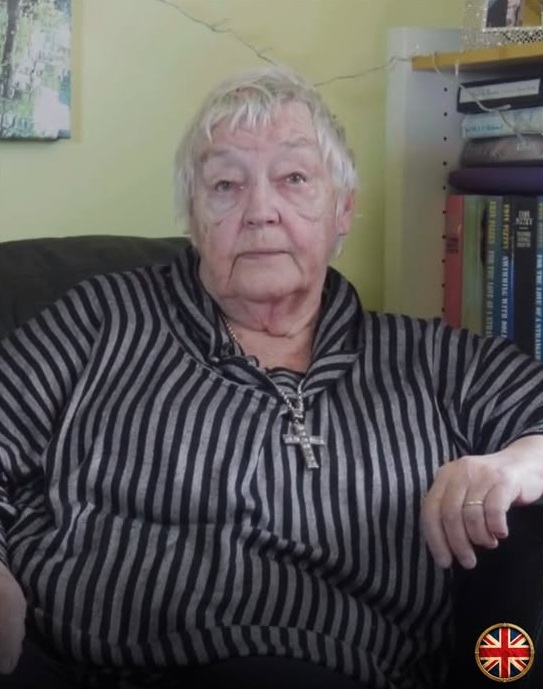
Julie Bailey’s routine life as a local café owner changed forever after her mother, Bella, entered Stafford Hospital for that treatable hernia.

Over the next eight weeks, Julie watched in horror as her mother was left dropped on the floor, starved of water, and ultimately left to suffocate when staff failed to provide vital oxygen.

Despite having no political connections or campaigning experience, Julie refused to accept her mother’s death as an isolated incident, setting up a helpline from her café that quickly uncovered hundreds of identical stories of systemic neglect.

The horrific conditions she witnessed—patients drinking from flower vases out of extreme thirst, or lying helpless in their own waste—were later formally documented in the 2013 Francis Report, which exposed how Stafford Hospital had completely abandoned basic patient care to meet financial targets.

Despite fierce institutional denial and intense pressure from local officials to close the matter, Julie Bailey and her group relentlessly bypassed the bureaucracy by funnelling evidence directly to journalists and compiling an undeniable archive of patient neglect.

Their persistence broke through the hospital’s defences, shifting the narrative from an isolated tragedy to a proven, systemic failure that the British government could no longer ignore.

The statistical analysis, championed by healthcare analyst Professor Sir Brian Jarman, confirmed the campaigners’ worst fears by revealing massive spikes in Hospital Standardised Mortality Ratios (HSMR) that pointed directly to systemic, lethal neglect.

While the regulator, the Healthcare Commission, cautioned that these excess death figures were statistical estimates rather than verified individual cases of negligence, the numbers proved undeniably that Stafford Hospital was a statistical outlier in patient safety.

This mathematical validation shifted Cure the NHS from a localised grievance into an unassailable national scandal, making a full public inquiry inevitable.

Despite intense resistance from government ministers who favoured private reviews over a costly public tribunal, Julie Bailey’s relentless pressure eventually broke the political deadlock.

Her refusal to back down forced the incoming government to grant a full, independent public inquiry under the Tribunals of Inquiry Act, chaired by Sir Robert Francis QC, which ultimately exposed the truth to the entire nation.

Julie Bailey’s campaign forced a historic NHS overhaul, but local backlash—including death threats, online harassment, and the desecration of her mother’s grave—ultimately drove her to close her business and flee her hometown in 2013.

The Mid Staffordshire scandal remains one of the darkest periods in NHS history precisely because it shattered that fundamental trust, particularly for vulnerable, elderly patients and their families.

The 2013 Francis Report explicitly detailed how a toxic culture of target-chasing and cost-cutting completely eroded basic human compassion, turning a place of healing into an environment where patients and their relatives felt genuinely terrified. It was Julie Bailey’s raw, firsthand accounts—of her mother being dropped, starved of water, and left to suffocate—that gave a voice to thousands of quiet, frightened people who felt entirely powerless against a massive bureaucracy.

While the scandal forced vital, permanent reforms to patient safety, staffing ratios, and whistleblowing protections across the UK, the deep emotional scars and the memory of that fear linger for an entire generation of families.

Martin Yeates, the hospital’s chief executive, resigned with a massive £1 million-plus pension pot and escaped criminal prosecution, sparking nationwide outrage over the lack of accountability.

In direct response to the scandal and the exact flaw of “staged” reviews, the UK overhauled its system so that the independent Care Quality Commission (CQC) now routinely conducts completely unannounced, surprise inspections on hospital wards to catch systemic failures in real time.

Piers Morgan Sues Earl Spencer Over Memoir Lies

Piers Morgan is suing Earl Spencer and Penguin Random House over claims in the new memoir, Swan Song: Diana, My Sister.

Piers Morgan’s legal team has issued a formal complaint to Earl Spencer and Penguin Random House demanding the removal of these inaccurate passages.

Earl Spencer’s legal team has not yet issued a formal response to Piers Morgan’s lawsuit threats.

Earl Spencer defended the absolute accuracy of Swan Song: Diana, My Sister during a BBC News interview, firmly refusing to issue retractions.

Piers Morgan thrives on being at the centre of the media storm, and he is the first to admit that he loves the limelight.

His career as a tabloid editor, TV host, and commentator has been built on provocative opinions and highly public feuds.

For Morgan, this latest clash with Earl Spencer is a perfect combination of a personal grudge, a high-profile target, and a chance to defend his own journalistic record live on air.

Many people share that exact sentiment, feeling that constant public fighting over her legacy disrupts the peace Princess Diana deserves.

However, because she remains a global icon, her life continues to drive high-selling memoirs and intense media debates, with those closest to her framing these books as a duty to history, while others fight to protect their own reputations.

Public and media reactions to the ongoing obsession with Princess Diana’s era are deeply divided, reflecting a mix of fatigue, commercial exploitation, and fierce debates over historical truth.

While media critics argue that memoirs like Swan Song turn real history into an endless, toxic soap opera for profit, the public remains split between deep exhaustion and a protective desire to see Diana’s side of the story defended.

Royal experts believe Princess Diana’s reaction would be deeply conflicted, as she fiercely protected her narrative in life but had a highly volatile relationship with her brother before her death. While Earl Spencer claims she would support his memoir, historical records show the siblings were actually estranged at the time of her tragic passing, leading commentators to believe she would be deeply dismayed by the public airing of decades-old family rifts and ongoing tabloid warfare.

The final years of Princess Diana’s life saw a deep and painful estrangement from Earl Spencer, shattering the close bond they shared in childhood. Although they were fiercely unified growing up, their relationship collapsed in 1996 when Spencer flatly refused Diana’s request to live in a cottage on the family’s Althorp estate, citing the media disruption her presence would cause.

Private letters later leaked during a 2002 court trial exposed the brutality of the fallout, revealing Spencer had branded his sister a “fickle friend” and criticised her mental health, leading to a total estrangement where the siblings did not speak for over a year before her tragic death.

The intense pressure of her marriage to King Charles III is widely cited by royal historians as a major catalyst for Princess Diana’s mental health struggles. Diana herself famously spoke about how the loneliness, marital breakdown, and constant media scrutiny directly triggered her battles with severe depression and bulimia.

It is completely understandable why she felt so isolated, as the emotional toll of a distant husband and an indifferent, non-tactile household would break anyone’s spirit. Princess Diana spoke candidly about this profound loneliness, describing how the royal establishment treated her distress over King Charles III’s affair as a personal defect rather than offering her comfort.

Many royal historians and members of the public share the view that forcing King Charles III to marry Princess Diana instead of Camilla Parker Bowles was the tragic mistake that caused immense suffering for everyone involved.

The royal establishment blocked Charles and Camilla’s relationship in the early 1970s due to strict, outdated protocols regarding background and social status, driving a young, inexperienced Diana into an incompatible marriage. It took nearly eight years after Diana’s tragic death for the royal family to finally allow Charles and Camilla to marry in April 2005, a union that many argue should have been permitted decades earlier to prevent the heartbreak that followed.

Many royal biographers share the view that if Princess Diana had never entered the royal family, the tragic chain of events that led to her death in Paris would likely have been entirely avoided. Had she lived a private life, she would not have been subjected to the relentless global media frenzy or the aggressive paparazzi pursuit that directly caused her fatal car crash.

Later in life, Diana frequently openly daydreamed about escaping the spotlight to find a normal life. In the years following her divorce, she spoke seriously about marrying someone outside the British establishment and moving abroad—frequently mentioning American cities like New York or Malibu, California, where she believed she could finally live without constant surveillance and raise her children in relative peace.

Prince Harry has explicitly confirmed that protecting Meghan Markle from his mother’s fate was the primary reason he stepped back from the royal family. In his memoir Spare and various interviews, Harry stated that his “biggest concern was history repeating itself,” citing the terrifying parallels he saw between the intense media harassment of Princess Diana and the vitriol directed at Meghan.

While the public remains deeply divided over the move, Harry maintains that prioritising his wife and children’s mental health and safety over royal duty was an act of survival rather than selfishness.

That perspective gets straight to the core of why Prince Harry made his decision, viewing it as a universal instinct to protect your family regardless of royal status. For many who support the Sussexes, his move was a necessary act of survival to break a generational cycle of media intrusion and trauma.

Even Earl Spencer has publicly validated this choice, stating in interviews that the press treatment of Meghan Markle was just as hazardous as what Princess Diana endured, making Harry’s protective instincts entirely understandable. While the decision caused a massive rift with Prince William and the rest of the institution, Harry has consistently maintained that he has no regrets about prioritising his wife and children over the crown.

Unwarned And Harmed

Dozens of women who used Depo-Provera say they were never warned of a potential brain tumour risk, and now live with devastating consequences including sight loss, bulging eyes and meningiomas.

Doctors have been instructed to warn women about the risk of brain tumours linked to a contraceptive injection after dozens of women came forward saying they suffered life-changing injuries and were never told of the potential danger.

The issue came to light after reports highlighted women who say they suffered severe, life-altering injuries following years of Depo-Provera use, including sight loss, bulging eyes and brain tumours. Many claim they were never informed of the potential risk when receiving the contraceptive injection.

Updated guidance has now been issued to GPs, nurses and pharmacists, instructing them to clearly explain the risk of meningioma, a non-cancerous brain tumour, to women considering Depo-Provera so they can make a fully informed decision about the contraceptive injection.

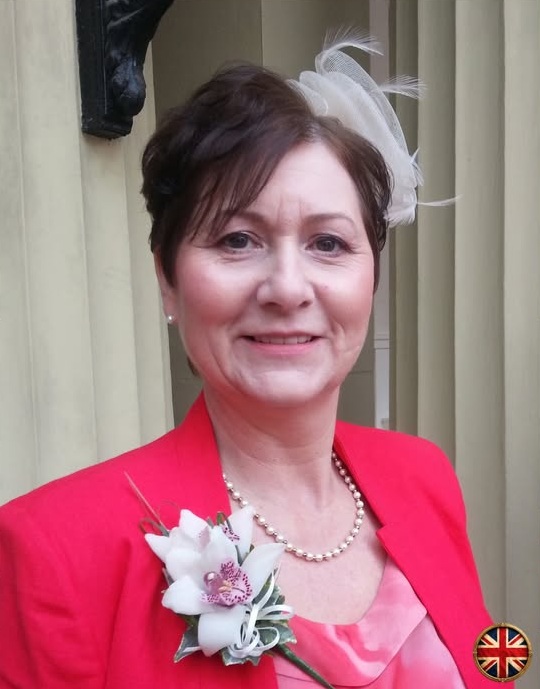
Tammy Croston, 47, from Cupar in Fife, lost the use of one eye after surgery to remove one of four meningiomas went wrong, leaving her with life-changing injuries.

Welcoming the updated guidance, Tammy Croston said women prescribed Depo-Provera had never been warned about the potential risk of developing a brain tumour, and described the new measures as a positive step toward ensuring patients are properly informed.

Croston said women should have been warned about the potential risk from the outset, arguing that a lack of information left many users facing life-altering injuries that might have influenced their treatment decisions.

Croston said some women had raised concerns about a possible connection between Depo-Provera and brain tumours with their doctors, only to find that healthcare professionals were not aware of any reported link, and she hopes the updated guidance will improve awareness in the future.

Croston said that if the new guidance helps spare other women from experiencing the same suffering and life-changing consequences, then it will represent an important step forward in protecting patients and improving awareness of the potential risks.

The updated guidance also instructs healthcare providers to reassess the use of Depo-Provera every two years and ensure appropriate action is taken if a tumour is suspected. However, while the document describes the risk of developing a meningioma with frequent use as a “small chance”, some affected women strongly dispute that characterisation.

Research published in the British Medical Journal in 2024 found that women who used Depo-Provera were significantly more likely to be diagnosed with meningiomas than those who had never used the contraceptive. Meanwhile, around 150 Scottish women are being represented by Thompsons Solicitors in claims seeking damages from drug manufacturer Pfizer over the alleged effects of the injection.

Women taking the menopause medicine Provera alongside estrogen should be aware that it contains the same active hormone, medroxyprogesterone acetate, as Depo-Provera, although it is used differently, and recent safety updates have also highlighted a rare meningioma risk with prolonged use of high-dose formulations.

Provera and Depo-Provera contain the same active drug, medroxyprogesterone acetate; the main difference is that Depo-Provera is a long-acting depot injection designed to release the medication slowly over several months, whereas Provera is taken as tablets.

Age is an important factor when weighing the risks and benefits of hormone treatments, as the likelihood of certain complications generally increases as women get older, which is why treatment decisions are often based on an individual’s age, medical history and overall health profile.

Anyone who has used Depo-Provera for a long time and is concerned about these reports should speak to their GP and discuss whether any further assessment or investigation is appropriate for their situation.

All women who were prescribed Depo-Provera should be offered the opportunity to discuss screening with their doctor, particularly if they have concerns, as many feel they were never fully informed of the potential risks when the drug was prescribed.

Calculus Over Cookery: Why Modern Schools Are Failing The Real World

Schools successfully teach teenagers how to calculate the area of an isosceles triangle, yet leave them completely defenceless against a gas bill, a raw chicken breast, or a leaky U-bend.

Teaching practical life skills equips teenagers with the ultimate survival guide for adulthood, transforming them from exam-passing robots into functioning humans who can actually decode a food label, sew a button, and face a gas bill without panicking.

While introducing life skills shouldn’t replace core academic subjects on an already bursting timetable, providing structured lessons creates a level playing field, ensuring every teenager gets a basic survival foundation regardless of whether their parents can teach them at home.

A truly useful life skills course would swap tedious exams for hands-on, survivalist training, featuring age-appropriate lessons on everything from defusing a ticking financial time bomb of a monthly bill to successfully navigating the digital wilderness after graduation.

While a university degree might open the front door of adulthood, it is everyday competence that stops you from accidentally burning down the kitchen or being defeated by an IKEA flat-pack once you get inside.

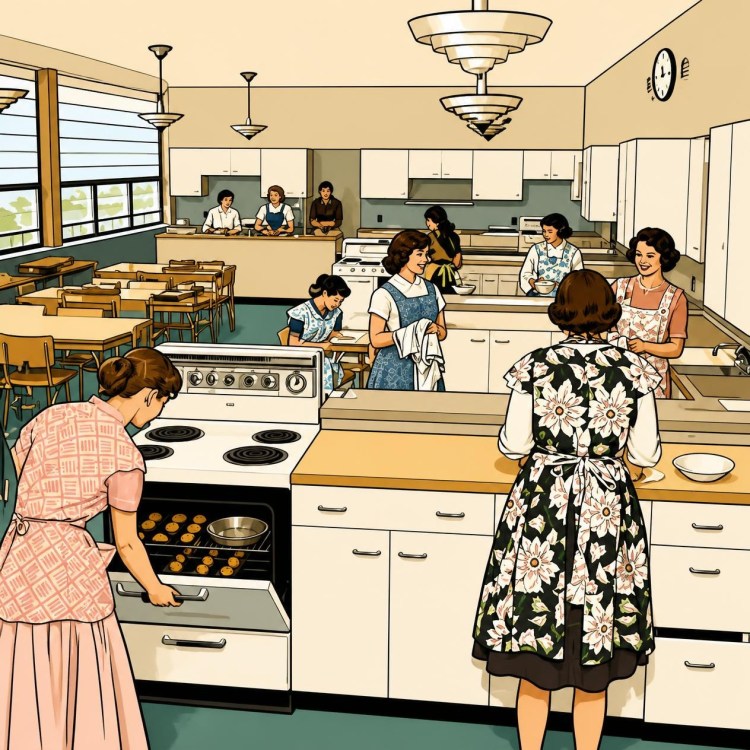
Traditional Domestic Science rooms with ovens and sewing machines have largely vanished, replaced by rushed, one-hour slots where students learn the chemical science of food rather than the life skill of cooking a family meal from scratch.

The ultimate school rite of passage was spending weeks sewing your own apron and matching headband just to be legally allowed to set foot in the cookery room and burn a batch of scones.

The shift toward a heavily academic, test-driven curriculum mandated by the government has forced schools to slash time for practical subjects, leaving children without the precious hours needed to master cooking from scratch.

A thriving society demands a balanced mix of both academic minds and practically skilled individuals to successfully build, lead, and maintain our future.

Integrating real-world applications into core subjects—like using math to calculate household budgets and bills, or using English to draft professional CVs and job application letters—would directly prevent youth debt and ensure all students graduate with essential employment skills.

The ultimate test of teenage willpower in 1970s Home Economics was trying to transport a warm bag of freshly baked scones all the way home on the school bus without devouring them on the spot.

Using ready-rolled pastry is an absolute travesty when the real joy of cooking lies in getting your hands completely claggy and gooey, making it yourself from scratch.

Fund Independence, Not Dependence

Frances Ryan’s critique highlights a paternalistic system within disability services that limits funding for travel support, effectively treating disabled individuals as passive recipients of care rather than autonomous citizens entitled to live full, independent lives.

A joint investigation across England reveals that local care providers are effectively barring disabled individuals from foreign travel by refusing to fund necessary costs for their personal assistants.

There’s 38-year-old Lucy from Oxfordshire who needs to travel internationally as the president of the European Spinal Cord Injury Federation. And Chelsea from Lancashire, a 25-year-old with cerebral palsy who dreams of swimming in Spain again. Then there’s 40-year-old Joel, who has muscle weakness and works for a global marketing brand but hasn’t been able to leave the UK for nine years.

Whether funded through NHS continuing healthcare or local authorities, high-needs individuals face a rigid institutional wall that bans them from using their care packages abroad, even if they pay the extra travel expenses themselves.

Because there is no national guidance on the issue, disabled people face a strict postcode lottery where local care officials hold the sole power to decide if, where, and at what personal cost they are permitted to travel.

In response to the scandal, high-profile political figures including Debbie Abrahams, Baroness Jane Campbell, and Jeremy Corbyn have called on the government to establish clear national guidelines that guarantee disabled people the right and support to travel.

Critics’ claims that this allows for “free holidays on the NHS” are completely false, as care users already have daily funding in place and routinely pay all extra travel expenses themselves or through employers.

The bureaucratic resistance to disabled people travelling abroad points to a deep-seated cultural prejudice that views them merely as passive care recipients rather than independent adults with careers, families, and full lives.

Despite sixty years of progress toward independent living, a patronising, medicalised approach still targets disabled individuals, reducing their autonomy to cheap compromises and bureaucratic convenience.

An unwritten rule in society—and an explicitly written one in some newspapers—demands that disabled people remain silently grateful for state support, weaponising the fear of being labelled a burden to discourage them from speaking out against systemic injustice.

This insidious form of prejudice is deeply uncomfortable precisely because it is so ordinary, operating not through overt slurs or physical violence, but through a gentle, everyday belief that certain kinds of lives simply come with lower expectations.

It is deeply frustrating when public indifference is fueled by the false assumption that taxpayers are funding “free holidays,” ignoring the clear fact that the day-to-day care budget is already allocated and disabled individuals pay all extra travel expenses out of their own pockets.

Whether it is a rigid ban on using a care package abroad or inflexible 9-to-5 medical delivery windows that disrupt full-time work, these systemic barriers prove that unequal care provision acts as a direct roadblock to independence.

Denying independent adults the right to use their own savings and care packages for travel under full informed consent raises serious safeguarding concerns, exposing a glaring double standard where governing bodies escape the very accountability they demand from individual carers.

Systemic barriers send a clear message that disabled people are quietly permitted to exist, but are certainly not expected to actually live.

Adding insult to injury, society often demands that disabled people remain humble and deeply grateful for their mere survival, weaponising the fear of appearing ungrateful to silence any resistance to systemic inequality.

Widespread “inspiration porn” and infantilisation reduce routine tasks like grocery shopping to spectacles of cheap praise, forcing disabled adults to endure unwanted physical contact and unprompted prayers from strangers who refuse to simply mind their own business.

Service Builds Character

National Service fostered discipline and bridged social divides for millions of young men. It strips away all entitlement, instilling a profound self-reliance and perspective that forges a transition into manhood.

The debate over reintroducing National Service hinges on whether a mandatory scheme would successfully foster social cohesion and national resilience, or if it would simply impose an expensive, impractical burden on a modern, professional military.

Supporters believe reintroducing National Service would break through teenage entitlement by offering a sobering, grounding lesson in the harsh realities of national defence and the true cost of conflict.

Supporters maintain that National Service is inherently character-building because it instils personal discipline, fosters resilience through shared challenges, and cultivates a lasting commitment to civic duty.

Modern examples like Norway’s selective draft, Singapore’s civic-military splits, and Switzerland’s community service pathways prove that National Service can be successfully tailored to build character and resilience without forcing every recruit into frontline combat.

Advocates argue that National Service is essential to counter the perceived softness of modern youth by forcing them out of their comfort zones and teaching them the true value of hard work and resilience.

National Service serves as a transformative rite of passage, utilising rigorous physical fitness, leadership training, and collaborative teamwork to forge a disciplined work ethic and unlock a young person’s true potential.

While public opinion remains deeply divided, reintroducing National Service would ultimately give young people the essential backbone and resilience they need to successfully navigate the hardships of adult life.

By enforcing a strict, standardised regime focused solely on merit and discipline, National Service completely strips away modern political correctness and identity politics to unite all recruits under a single, shared purpose.

A one-year mandatory National Service scheme would provide sufficient time to instil deep discipline, build physical fitness, and deliver meaningful character-building training without permanently disrupting a young person’s long-term career or education.

By proposing a one-year National Service term, the goal is not to deploy young people into active warfare, but rather to use structured, non-combat training as a safe environment for building character, resilience, and practical life skills.

One year of National Service is designed to foster a profound sense of belonging rather than a sense of violence, shifting the focus away from conflict and toward civic pride, teamwork, and community unity.

By adopting the modern military shift from aggressive shouting toward constructive mentoring, this scheme ensures that disciplining recruits focuses entirely on building their character rather than breaking their spirit.

Create your own website, free on WordPress.com.Create your own website.
Start free